
- Larry N.
5.0

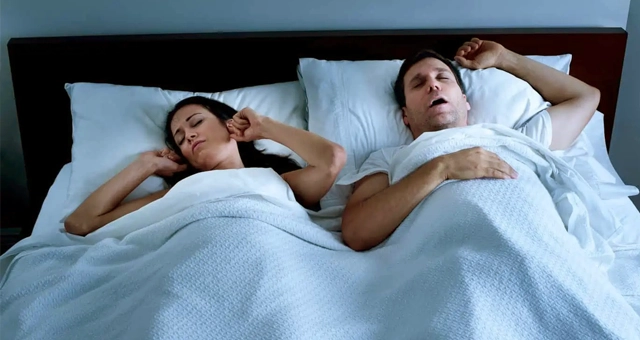
Feeling exhausted despite getting enough sleep? Experiencing snoring, low energy, brain fog, or irritability? These symptoms could be signs of obstructive sleep apnea (OSA).
OSA is a chronic condition that disrupts your sleep by causing frequent pauses in breathing. Depending on the severity, you may stop breathing hundreds of times a night.
There are three main types of sleep apnea:
If you’ve been experiencing loud snoring, waking up gasping for breath, excessive daytime fatigue, difficulty concentrating, insomnia, irritability, sexual dysfunction, depression, sore throat, or morning headaches, it’s possible you’re suffering from sleep apnea. These symptoms can significantly impact your quality of life. If you recognize any of these signs, it’s crucial to consult a healthcare professional for an evaluation.
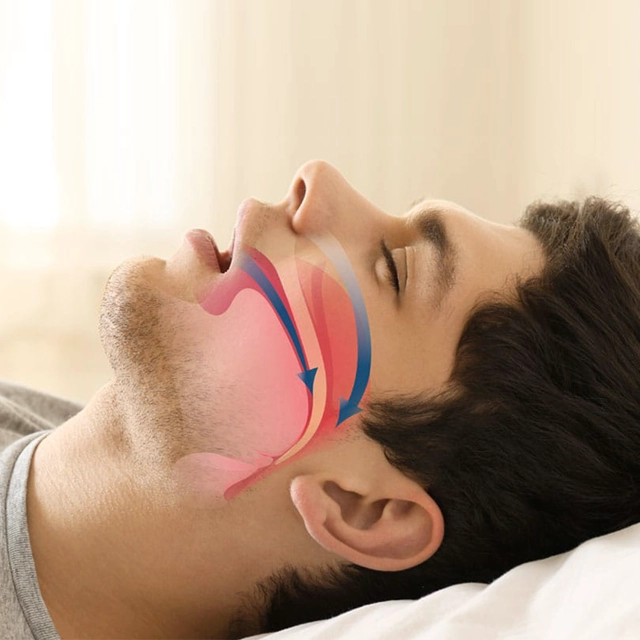
- Obstructive sleep apnea (OSA) happens when your throat muscles relax during sleep, blocking your airway. This is caused by tissues collapsing and blocking the passage of air.
- Central sleep apnea is when your brain has trouble signaling your breathing muscles to contract. This interruption can disrupt your sleep.
- Complex sleep apnea occurs when you have both OSA and central sleep apnea.
Are you struggling with sleep apnea? Our Mesa, AZ dentist can help. Lifestyle adjustments like weight loss and quitting smoking can significantly improve symptoms.
Let’s work together to find a solution. Schedule a consultation with Okun Dentistry in Mesa today to learn how we can help you sleep better and feel more energized.
No more sleepless nights or disturbed sleep. Let’s get you back on track.
Frequently Asked Questions
Dental sleep solutions are designed to help people who struggle with disrupted breathing during sleep, including symptoms like frequent snoring, gasping for air, or pauses in breathing. These issues are often related to a condition called sleep apnea, and custom oral appliances can help keep the airway open so you rest more comfortably and wake up feeling more refreshed.
A dental sleep appliance resembles a mouthguard and is made to fit your teeth precisely. By gently repositioning the jaw and tongue forward, it creates more space in the airway, helping reduce obstruction that causes snoring or repeated breathing interruptions. Because it is custom-made, the appliance is comfortable to wear throughout the night and supports better airflow.
People who snore loudly, feel excessively tired during the day, wake up with a dry mouth or headache, or have been diagnosed with mild to moderate sleep apnea may benefit from dental sleep solutions. A thorough evaluation that includes your medical history, symptoms, and sometimes sleep testing helps determine whether an oral appliance is appropriate for your needs.
Dental sleep appliances are custom-fabricated to fit your mouth, so most patients find them comfortable and easy to adapt to. Some individuals may experience mild pressure or a sensation of having something in their mouth during the first few nights, but this typically decreases quickly as the body adjusts to the appliance.
A dental sleep appliance does not cure sleep apnea, but it can significantly improve breathing patterns during sleep for many people, especially those with mild to moderate forms of the condition. By keeping the airway more open, these devices can reduce episodes of interrupted breathing, decrease snoring, and improve overall sleep quality.
Adjustment time varies by individual, but most people adapt within a few nights to a couple of weeks. At first, wearing the appliance might feel unusual, but with consistent use it becomes more natural. Your dental team can help make small adjustments to improve comfort as needed.
For individuals with mild to moderate sleep apnea, a dental sleep appliance may be a suitable alternative to a CPAP machine, which uses continuous air pressure through a mask. Some patients find oral devices easier to use and more comfortable. However, severe sleep apnea often still requires CPAP therapy, and a sleep specialist’s recommendation should guide which device is best.
Fitting begins with a detailed dental examination and review of your symptoms. Impressions of your teeth are taken so that the appliance can be custom-made. Once the device is created, the dentist ensures it fits correctly and may make adjustments to optimize comfort and function. Follow-up visits help evaluate its effectiveness and make refinements if needed.
The lifespan of a sleep appliance varies based on how often it is worn and how well it is cared for. With regular use and good maintenance, many appliances last a few years before replacement or adjustment is needed. Regular checkups help ensure that fit remains accurate and the device continues to work effectively.
Coverage for dental sleep appliances depends on your individual insurance plan. Some medical and dental plans provide benefits for devices used to treat sleep-related breathing disorders, while others may cover only part of the cost. Your dental office can help verify your benefits and provide information to assist with claims.
If you continue to snore loudly, feel excessively tired, or experience breathing interruptions despite using a sleep appliance, you should follow up with your dental provider or sleep specialist. It may be necessary to adjust the device, explore other treatment options, or undergo further evaluation to ensure your condition is properly managed.
To keep your sleep appliance in good condition, it is best to rinse it after each use, brush it gently with a soft toothbrush, and store it in its protective case when not in use. Avoid exposing the device to high heat and bring it to regular dental appointments so your provider can assess fit and cleanliness.