
Linda G.
5.0

Bone Replacement Procedures
Several key factors influence the volume of the jawbone:
- Periodontal Disease – This condition can harm and cause lasting damage to the jawbone that supports the teeth. Over time, the affected regions deteriorate, leading to instability in the teeth.
- Tooth Extraction – Research indicates that individuals who undergo a tooth extraction can lose 40-60% of the bone surrounding the extraction area within the next three years. This reduction in bone density leads to what is referred to as a "bone defect."
- Injuries and Infections – Dental trauma and other physical injuries, such as a blow to the jaw, can lead to bone loss. Similarly, infections can also contribute to the recession of the jawbone.
Bone grafting is generally a very effective procedure and serves as a preferred solution for individuals with missing teeth, unhealthy teeth, or dental deformities. This technique can enhance the height or width of the jawbone while also filling gaps and addressing defects in the bone.
Bone grafting positively influences the health and stability of teeth in two primary ways:
Jaw Stabilization – By providing support, bone grafting restores the jaw’s foundation for restorative procedures or implant surgeries. It can also correct deformities and reinforce the structure of the bone.
Preservation – This procedure can help limit or prevent bone loss that may occur after tooth extractions, periodontal disease, or other invasive treatments.
Oral Examination
To begin the process, the dentist will conduct a comprehensive examination of the affected area to evaluate the overall health of the teeth and gums. If periodontal disease is detected or if the nearby teeth are in poor shape, these issues will be thoroughly addressed prior to proceeding with the bone grafting procedure. The dentist may also suggest panoramic X-rays to accurately measure the depth and width of the existing bone. In some cases, a CAT scan might be advised to assess the bone condition further. Based on the findings, the dentist may administer anesthesia to the area and explore the gums to determine the type and quantity of bone needed for the procedure.
What to Expect During Bone Grafting
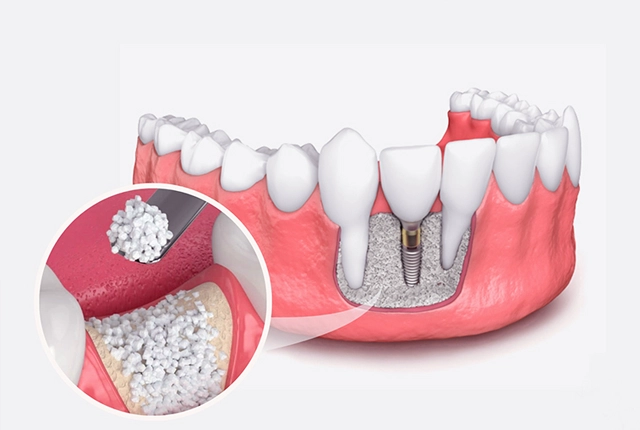
There are various types of bone grafts, and your dentist will identify the most suitable option for your specific needs.
Autogenous Bone Graft: This type involves harvesting bone from the patient’s own body, typically from the back of the lower jaw or the chin. It is often preferred due to its predictable outcomes.
Allograft Bone Graft: This method utilizes bone from a cadaver or synthetic materials.
Xenograft: This graft uses bone sourced from cows.
The process of bone grafting can take several months to complete. Generally, bone is taken from your own body or, in rare cases, obtained from a bone bank and then added to the targeted area. The new bone will fuse with the existing bone, leading to strong adhesion and cellular growth. By supplementing the jaw with bone, you increase bone mass, which provides better support for dental implants.
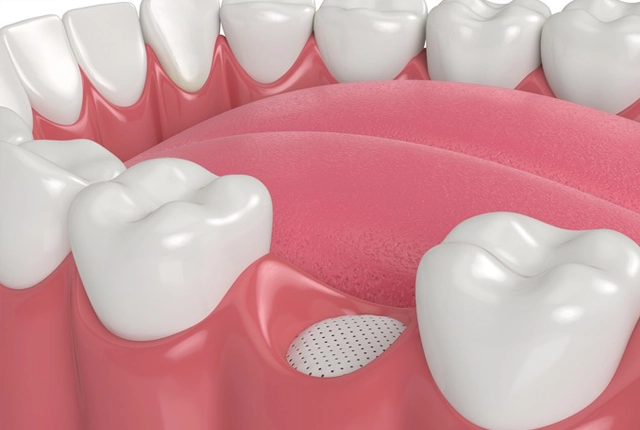
During the procedure, the dentist will administer a local anesthetic to numb the areas of grafting and extraction. A small incision will be made to prepare the site for the new bone, which will then be secured in place. In some cases, a synthetic membrane may be applied to cover the graft. This membrane helps prevent soft tissue and bacterial infiltration while promoting new bone growth. The surgery is typically outpatient, so no overnight stay is necessary. You will receive detailed instructions for your post-operative care, and the dentist will prescribe medications to manage any infection, discomfort, or swelling.
Frequently Asked Questions
Dental bone grafting is a procedure used to restore and strengthen areas of the jawbone that have deteriorated due to tooth loss, gum disease, infection, or trauma. When a tooth is missing, the jawbone no longer receives stimulation, which causes gradual bone loss. Bone grafting replaces this lost bone and encourages natural regeneration, helping maintain facial structure and oral health while preparing the area for future treatments like dental implants.
Dental implants require a solid and stable foundation to function properly. If the jawbone is too thin or weak, the implant may not integrate correctly or could fail over time. Bone grafting rebuilds the jawbone, providing the necessary support to securely anchor dental implants and improve long-term success rates.
Bone graft healing typically takes between three to six months, depending on the size of the graft, the type of material used, and the patient’s overall health. During this time, the graft material gradually integrates with the existing bone, forming a strong, natural foundation suitable for implant placement or restorative procedures.
Bone grafting is performed under local anesthesia, and sedation options may be available for added comfort. Most patients experience mild swelling or soreness following the procedure, which usually subsides within a few days. Discomfort is generally manageable with prescribed or over-the-counter pain medication.
Yes, bone grafting is commonly performed immediately after tooth extraction in a process known as socket preservation. This approach helps prevent bone loss, preserves the natural shape of the jaw, and shortens the overall treatment timeline for dental implants or other restorations.
The cost of bone grafting varies based on factors such as the size of the graft, the type of material used, and whether the procedure is combined with tooth extraction or dental implant placement. During your consultation at Okun Dentistry, you’ll receive a personalized treatment plan with transparent pricing and available payment options.
Dental bone grafting is a safe and commonly performed procedure. Potential risks are minimal but may include temporary swelling, mild discomfort, or infection. Following post-procedure care instructions and attending follow-up appointments greatly reduces the likelihood of complications.
If bone grafting is delayed or avoided, bone loss may continue and worsen over time. This can make future dental implant placement more complex or even impossible without more extensive procedures. Early bone grafting helps preserve treatment options and supports long-term oral health.
A comprehensive dental exam, including digital X-rays or 3D imaging, allows your dentist to evaluate bone density and jaw structure. If insufficient bone is present, bone grafting may be recommended to restore strength and support future dental procedures.
Dental bone grafting has a high success rate when performed by experienced dental professionals. Success depends on proper planning, quality graft material, and patient adherence to post-treatment care. Most patients go on to receive successful dental implants following healing.
In most cases, dental implants can be placed after the graft has fully healed, usually within three to six months. Some minor grafts may allow for implant placement sooner, depending on individual healing and bone regeneration.