
- Michael T.
5.0


Commonly Asked Questions: Dental Fillings
FDA Update for Consumers: Dental Amalgams
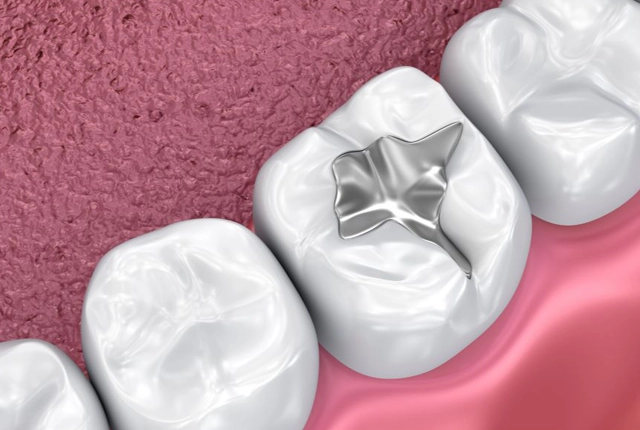
ATSDR - Public Health Announcements: Mercury
The analysis indicates a notable decrease in tooth decay among children
Substitute Materials
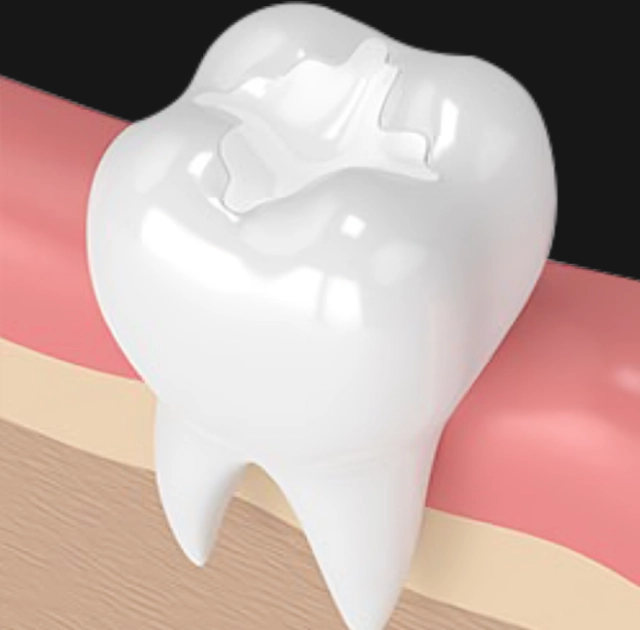
Advancements in contemporary dental materials and techniques are providing innovative ways to achieve more aesthetically pleasing, natural-looking smiles. Researchers are diligently working for years to develop esthetic materials, including ceramic and plastic compounds that replicate the look of real teeth. Consequently, dentists and patients now have multiple options when choosing materials for repairing missing, worn, damaged, or decayed teeth.
The introduction of these new materials has not diminished the value of traditional dental restoratives, such as gold, base metal alloys, and dental amalgam. The strength and durability of these conventional materials remain beneficial for cases where restored teeth need to endure significant forces from chewing, particularly in the posterior regions of the mouth.
Options such as cast gold restorations, porcelain, and composite resins serve as alternatives to amalgam, though they tend to be more costly. Gold and porcelain restorations generally take longer to fabricate and may necessitate two separate appointments. While composite resins, often referred to as white fillings, are visually attractive, they also require more time for placement.
Here’s an overview of some common alternatives to silver amalgam:
- Composite fillings - Composite fillings consist of a blend of acrylic resin and finely ground glass-like particles, resulting in a tooth-colored restoration. These fillings offer good durability and are resistant to fractures, making them suitable for small to medium-sized restorations that endure moderate chewing pressure. The dentist typically removes less tooth structure when preparing the tooth for a composite filling, which can lead to a smaller filling compared to amalgam. Additionally, composites can be bonded, or adhesively secured, within a cavity, allowing for a more conservative approach to tooth repair. However, in areas subject to high chewing forces, composite fillings are less wear-resistant than silver amalgams. Moreover, the placement of a composite filling generally takes longer than that of an amalgam.
- Ionomers - Glass ionomers are tooth-colored substances composed of a blend of acrylic acids and fine glass powders, commonly used for filling cavities, especially on the root surfaces of teeth. These materials can release small amounts of fluoride, benefiting patients who are at a higher risk for tooth decay. Glass ionomers are typically utilized for small fillings in areas that do not require resistance to significant chewing forces. Due to their lower fracture resistance, they are mainly applied in small, non-load-bearing fillings, such as those found between teeth or on tooth roots. Resin ionomers, which also incorporate glass filler along with acrylic acids and acrylic resin, serve a similar purpose and are used for non-load-bearing fillings between teeth. They possess low to moderate resistance to fractures. However, ionomers may wear quickly when placed on chewing surfaces. Both glass and resin ionomers imitate the color of natural teeth but do not have the same translucency as enamel. Generally, both types are well accepted by patients, with allergic reactions occurring only very rarely.
- Porcelain (ceramic) dental materials - All-porcelain (ceramic) dental materials encompass porcelain, ceramic, or glass-like fillings and crowns. These materials are utilized in various applications, including inlays, onlays, crowns, and cosmetic veneers. A veneer is a thin layer of porcelain designed to either replace or cover a portion of a tooth's enamel. One of the main advantages of all-porcelain restorations is their ability to closely replicate the color and translucency of natural tooth enamel. Typically, all-porcelain restorations require at least two appointments, though more may be necessary. While they offer excellent wear resistance, these restorations can be susceptible to fractures when subjected to tension or impact. Their durability is influenced by the thickness of the porcelain and its ability to bond securely to the underlying tooth structure. However, if the porcelain surface becomes rough, it can cause wear on opposing teeth.
Protective Sealants for Teeth
Studies indicate that nearly everyone has a 95 percent likelihood of encountering cavities in the fissures and grooves of their teeth at some point.
Sealants were introduced in the 1950s and became commercially available in the early 1970s. The American Dental Association’s Council on Dental Therapeutics endorsed the first sealant in 1972. Sealants function by filling the depressions on the chewing surfaces of teeth, effectively preventing food particles from becoming trapped, which can lead to cavities.

The application process for sealants is quick and comfortable, providing effective protection for teeth over many years. Research indicates that sealants can halt cavity progression when applied to a tooth with early decay by cutting off the nutrients that bacteria need to thrive.
Sealants serve as a protective barrier, preventing food and bacteria from accumulating in the grooves and pits of teeth. They are particularly beneficial for permanent first molars, which typically emerge around age six, and second molars, which come in around age twelve.
For optimal effectiveness, sealants should be applied as soon as a tooth has fully emerged. This timing is especially advantageous for children, whose newly erupted teeth are most susceptible to cavities. Studies have shown that over 65% of cavities in children occur in the narrow pits and grooves of their newly emerged teeth due to trapped food and bacteria.
Process of Application
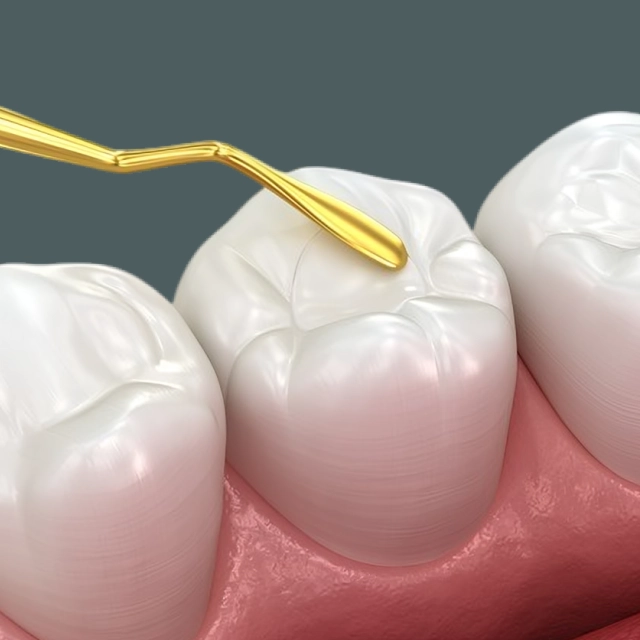
The process of applying sealants begins with cleaning the tooth surface, followed by rinsing to eliminate any remnants of the cleaning solution. An etching gel or solution is then applied to the tooth enamel, focusing on the pits and grooves. After 15 seconds, this solution is rinsed off thoroughly with water. Once the area is dried, the sealant material is applied and set using a specialized curing light.
Typically, sealants can last around five years and should be checked during a child’s routine dental visits. They are highly effective in preventing decay on the chewing surfaces of molars.
While insurance coverage for sealant applications is on the rise, it remains limited. Many dentists in Mesa, AZ anticipate this trend will evolve as insurance providers recognize the value of sealants in minimizing future dental costs and safeguarding teeth from more extensive treatments.
Frequently Asked Questions
Dental fillings are used to restore teeth that have been damaged by cavities, minor fractures, or wear. When decay removes part of the tooth structure, a filling seals the affected area, restores strength, and prevents bacteria from causing further damage. Fillings help preserve natural teeth and maintain proper chewing function.
You may need a filling if you experience tooth sensitivity, pain when chewing, visible holes, or dark spots on a tooth. However, cavities often develop without noticeable symptoms. Regular dental exams allow your dentist to detect decay early and recommend fillings before the problem becomes painful or requires more extensive treatment.
Tooth-colored fillings are popular because they blend naturally with your teeth and restore appearance while repairing decay. They bond directly to the tooth, helping preserve more natural structure. Metal fillings may still be used in certain cases for strength, but many patients prefer tooth-colored options for both aesthetics and comfort.
Most filling procedures are comfortable and well-tolerated. The area is numbed before treatment, so patients typically feel only mild pressure during the procedure. Afterward, slight sensitivity is normal and usually temporary. Dentists focus on gentle techniques to ensure patients remain relaxed throughout the filling process.
A typical filling appointment usually takes less than an hour, depending on the size and location of the cavity. Small fillings can often be completed quickly in a single visit. Your dentist will remove decay, clean the area, place the filling material, and adjust your bite for comfort and proper alignment.
Dental fillings can last many years when properly cared for. Their longevity depends on the material used, oral hygiene habits, bite pressure, and regular dental visits. Routine checkups allow your dentist to monitor fillings and address any wear or damage early, helping extend their lifespan and effectiveness.
Yes, fillings may need replacement over time due to wear, cracking, or new decay forming around them. Signs include sensitivity, discomfort, or visible damage. During dental exams, your dentist evaluates existing fillings to ensure they remain secure and protective, recommending replacement only when necessary to protect your tooth.
After a filling, it’s best to avoid very hard, sticky, or chewy foods for a short time, especially while numbness wears off. This helps prevent accidental biting or stress on the new filling. Maintaining good oral hygiene and following your dentist’s guidance supports healing and long-term success.
Yes. By sealing areas affected by decay, fillings stop bacteria from spreading deeper into the tooth. This helps prevent infections, toothaches, and the need for more advanced procedures like root canals or crowns. Early cavity treatment with fillings plays an important role in maintaining long-term oral health.
Dental fillings are safe and effective for both children and adults. In children, fillings protect developing teeth from further decay, while in adults they restore strength and function. Dentists tailor filling materials and techniques based on age, tooth location, and individual oral health needs.
Yes — many dental offices, including Okun Dentistry, offer comfort-focused care and sedation options for anxious patients. Discussing your concerns prior to treatment allows the team to tailor an approach that keeps you relaxed and comfortable during your filling appointment. Open communication enhances your care experience.
A dentist evaluates the presence and extent of tooth decay using dental exams and x-rays. Cavities are usually detected at early stages before pain appears, and fillings are recommended to stop decay progression. Your dentist considers the size, location, and risk of further damage when planning appropriate restoration.