
I’ve been a patient at this practice for 17 years. I’ve always had kind, professional care, & excellent treatment. Thank you.
- Ann R.
5.0

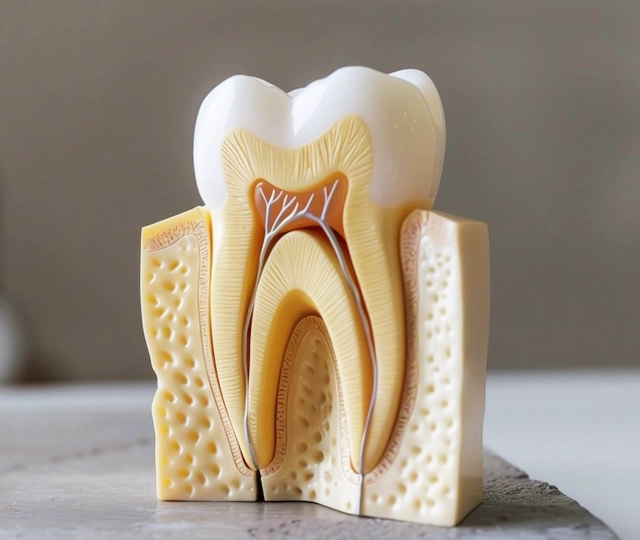
Root canals are narrow channels that extend from the crown of a tooth to its root tip. Each tooth has one to four root canals.
Tooth infections often affect the pulp, the tooth’s inner chamber containing blood vessels, nerves, and other tissues. Severe infections or traumatic injuries can damage the pulp and spread to the roots.
A diseased tooth pulp can cause a range of problems, including pain, sensitivity, and the development of abscesses, which are pus-filled pockets. Root canal therapy is a highly effective treatment that involves removing diseased tissue, halting the spread of infection, and preserving the natural tooth. This procedure has a very high success rate and has revolutionized dental care, as it offers a viable alternative to tooth extraction, which was the only option for treating diseased teeth before the development of root canal therapy.
Procedure
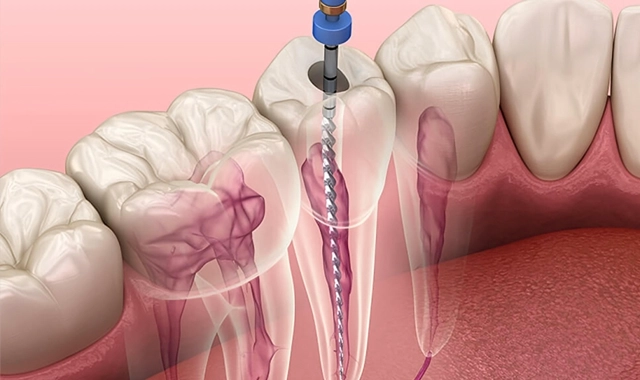
Root canal therapy typically involves one to three visits. During the first visit, a small hole is drilled into the top of the tooth, allowing access to the inner chamber. Diseased tissue is removed, the chamber is thoroughly cleaned and disinfected, and the root canals are reshaped. A temporary filling is then placed to seal the tooth until a permanent restoration, such as a crown, can be applied. The majority of patients who undergo root canal therapy experience little to no discomfort or pain, and the restored tooth can last for many years, often as long as a healthy natural tooth.
Frequently Asked Questions
During root canal therapy, the dentist numbs the painful tooth and surrounding area so you remain comfortable. The infected or inflamed pulp inside the tooth is accessed through a small opening, and the diseased tissue is gently removed. The inside of the canals is cleaned, shaped, and disinfected before being filled with a biocompatible material. Finally, the tooth is sealed and often restored with a crown for strength and protection, allowing it to function like a natural tooth.
Signs that root canal therapy may be needed include persistent tooth pain, prolonged sensitivity to hot or cold, tenderness when biting down, swelling around the tooth, or even a recurring pimple-like bump on the gum. Sometimes there are no obvious symptoms, and the need for treatment is detected on X-rays during a routine exam. Your dentist evaluates your symptoms and imaging to determine the best course of action.
No, root canal therapy and tooth extraction are very different. The goal of root canal therapy is to save your natural tooth by removing infection and preserving the structure. Extraction removes the entire tooth. Saving a natural tooth helps maintain proper chewing function, keeps surrounding teeth from shifting, and preserves bone. Extraction is considered only when a tooth cannot be saved or if it’s structurally compromised beyond repair.
Modern root canal therapy is designed to be as comfortable as possible. With local anesthesia, you should not feel pain during the procedure. After treatment, some mild sensitivity or discomfort can occur as nearby tissues heal, but this usually diminishes quickly and can be managed with normal pain relief. Most patients say that the discomfort is far less than the pain they experienced before treatment.
Recovery varies by individual, but most people return to normal activities the next day. Any soreness is typically mild and short-lived. The most important part of recovery involves following the care instructions given by your dentist and reporting anything unusual. If a crown is needed, that restoration may happen in a separate appointment once healing is underway.
Root canal therapy eliminates infection, stops pain, and helps preserve the integrity of the natural tooth. Keeping your tooth in place supports proper chewing and digestion and prevents neighboring teeth from shifting out of alignment. This foundational role helps maintain your overall oral function and long-term dental health.
Yes, in some cases a tooth that has had root canal therapy may need further evaluation if symptoms return. Retreatment involves accessing the canals again, addressing lingering infection, and resealing the tooth to promote healing. Whether retreatment is appropriate depends on your situation, and your dentist will review imaging and symptoms to make that determination.
After the pulp is removed, a treated tooth no longer has living tissue inside, but it can still function effectively and comfortably. Because the procedure removes infection and stabilizes the tooth, long-term preservation is often achieved. To enhance strength and prevent fracture, a protective restoration like a crown is commonly recommended after therapy, especially on back teeth that bear heavy chewing forces.
Like any medical or dental procedure, there are potential risks, but they are generally low. Issues can include temporary irritation of surrounding tissues or sensitivity as the area heals. Rarely, additional treatment may be needed if infection persists. Careful diagnosis and precise technique help minimize risks and support successful outcomes.
Postponing needed root canal therapy can allow infection to spread deeper into the bone and surrounding teeth, potentially leading to abscess formation, greater pain, swelling, and even tooth loss. Early treatment interrupts the infection and preserves your tooth, helping you avoid more extensive procedures later.
After a root canal, it’s important to maintain excellent oral hygiene by brushing and flossing daily and keeping scheduled dental visits. Caring for the treated tooth like a natural tooth keeps surrounding gums and bone healthy. Avoiding hard or sticky foods on that side until permanent restoration is placed helps support the healing process.
Yes, by removing infection and preserving the structure of a damaged tooth, root canal therapy helps maintain the proper function of your bite, prevents adjacent teeth from drifting out of position, and supports a stable jaw. This procedure plays a central role in sustaining a healthy, well-balanced mouth.