
Nobody likes going to the Tempe dentist, but the crew at Okun make it as much as it can be. I originally visited due to a word of mouth recommendation; I go back because of how excellent they are at customer service and quality dentistry. Particular note to Gina, Laura, Patsy, and Dr.Styskal!
- Bill Lewis
5.0


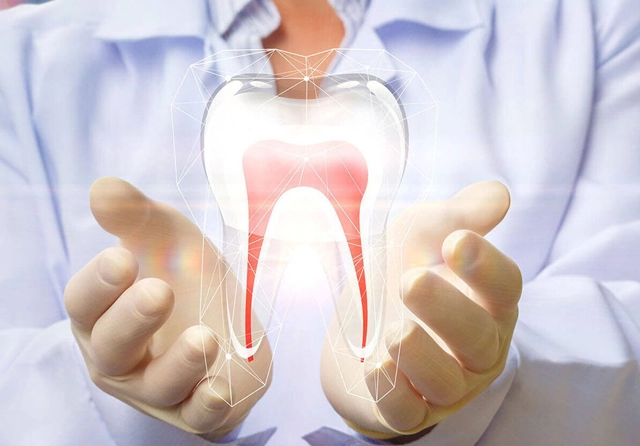
Root canals are tiny passageways that branch off from beneath the top of the tooth, coursing their way vertically downward, until they reach the tip of the root.
All teeth have between one and four root canals.
Many tooth problems involve infections that spread to the pulp, which is the inner chamber of the tooth containing blood vessels, nerves and other tissues. When the infection becomes worse, it can begin affecting the roots. A traumatic injury to a tooth can also compromise the pulp, leading to similar problems.
A diseased inner tooth brings a host of problems including pain and sensitivity as the first indications of a problem. However, inside a spreading infection can cause small pockets of pus to develop, which can lead to an abscess.
Root canal therapy is a remarkable treatment with a very high rate of success, and involves removing the diseased tissue, halting the spread of infection and restoring the healthy portion of the tooth. In fact, root canal therapy is designed to save a problem tooth; before the procedure was developed and gained acceptance, the only alternative for treating a diseased tooth was extraction.
Procedure
Root canal therapy usually entails one to three visits. During the first visit, a small hole is drilled through the top of the tooth and into the inner chamber. Diseased tissue is removed, the inner chamber cleansed and disinfected, and the tiny canals reshaped. The cleansed chamber and canals are filled with an elastic material and medication designed to prevent infection. If necessary, the drilled hole is temporarily filled until a permanent seal is made with a crown.
Most patients who have root canal experience little or no discomfort or pain, and enjoy a restored tooth that can last almost as long as its healthy original.
Frequently Asked Questions
Often, yes. Saving your natural tooth helps maintain jawbone structure, avoids the complications of tooth loss, and can reduce the long-term cost and complexity compared to extraction followed by replacement.
Call our Tempe office at (480) 967-8763 to request a consultation. We will evaluate your symptoms, take any necessary X‑rays, and explain your treatment options so you can make an informed decision.