
Cracked teeth are not only unsightly, but they can also be painful and cause serious dental problems if left untreated. Luckily, there is a quick and affordable solution that can restore your smile and protect your teeth from further damage – dental bonding! In this blog post, we will show you how to repair a cracked tooth with dental bonding so you can feel confident flashing those pearly whites again. So sit back, relax, and get ready to learn how to fix that pesky crack once and for all!
What is Dental Bonding?
Dental bonding is a procedure in which a tooth-colored resin is applied to a tooth, hardens, and then is sculpted into the desired shape. The resin is then polished to match the surrounding teeth. Bonding can be used to repair a cracked tooth, chip, or discoloration.
How Does it Work?
When you have a cracked tooth, it is important to repair it as soon as possible. Dental bonding is one way to repair a cracked tooth. Bonding is when a dentist uses a material to “bond” or glue the tooth together. The material used for dental bonding is called composite resin. Composite resin is a plastic material that is available in many different colors. The color of the composite resin will be matched to the color of your natural teeth.
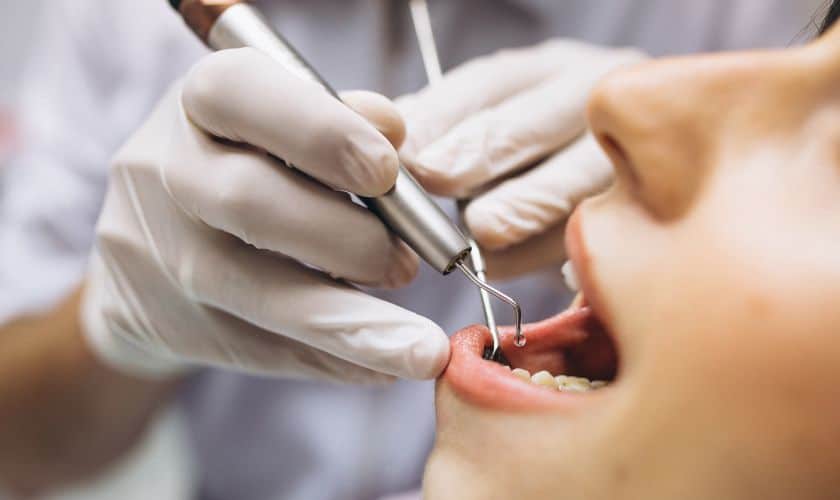
Dental bonding is usually done in one visit to the dentist. First, the tooth will be cleaned and prepared for the bonding material. Then, the composite resin will be applied to the tooth and shaped to repair the crack. Once the composite resin is in place, it will be hardened with a special light. After the composite resin has hardened, it will be polished so that it looks like your natural teeth.
Dental bonding can last for many years, but it may not last as long as other types of dental repairs such as crowns or veneers. You should avoid biting your nails or eating hard foods with your front teeth after having dental bonding done. With proper care, your dental bonding should last for several years before needing to be repaired or replaced.
Advantages and Disadvantages of Dental Bonding
Dental bonding is a popular choice for repairing cracked teeth. It is quick, easy, and relatively inexpensive. The main advantage of dental bonding is that it can be done in one visit to the dentist. It does not require any special preparation or anesthesia, and the procedure can be completed in about an hour.
Another advantage of dental bonding is that it can be used to repair teeth that are chipped, discolored, or slightly misaligned. Bonding can also be used to fill in small gaps between teeth.
One disadvantage of dental bonding is that it is not as strong as other methods of repairing cracked teeth such as crowns or veneers. Bonded teeth are also more likely to stain and discolor over time.
How to Prepare for a Dental Bonding Procedure
When you have a cracked tooth, it’s important to get it fixed as soon as possible. Dental bonding is one option for repairing a cracked tooth. Bonding can be done in one visit to the dentist, and it’s usually less expensive than other options such as crowns.
Before your dental bonding procedure, your dentist will clean your tooth and roughen up the surface so that the bonding material will adhere better. Then, they will choose a color of bonding material that matches your natural tooth color. The bonding material is applied to your tooth and shaped to repair the crack. Once the material is hardened, your dentist will polish your tooth so that it looks natural.
You don’t need to do anything special to prepare for dental bonding. Just be sure to brush and floss your teeth well before your appointment so that your dentist has a clean surface to work with.
What to Expect During the Procedure
Most people report that having dental bonding done is not painful. However, if your tooth is sensitive, your dentist may numb the area before starting the procedure.
The first step is to etch the surface of your tooth with a mild acid. This roughens the surface so the bonding material can adhere better. Next, your dentist will apply a putty-like resin to your tooth and shape it into place. Once the resin is in the desired position, your dentist will use a special light to harden it.
After the resin has hardened, your dentist will trim and polish it so it looks natural and seamless with the rest of your teeth. The entire process usually takes 30 to 60 minutes.
Aftercare Tips for a Successful Outcome
1. Avoid chewing on hard foods: Chewing on hard foods can put stress on your dental bonding, which can cause it to crack or come loose. Stick to softer foods for the first few days after your procedure.
2. Be careful with hot and cold drinks: Sipping on hot or cold drinks can also put stress on your dental bonding. Use a straw when drinking beverages other than water for the first few days post-procedure.
3. Practice good oral hygiene: Good oral hygiene is essential for any dental procedure, but it’s especially important after having dental bonding done. Be sure to brush twice a day and floss daily to keep your teeth and gums healthy.
4. Schedule regular checkups: Once your dental bonding has been repaired, you’ll need to see your dentist for regular checkups to ensure that it’s still in good condition. These appointments will also help catch any potential problems early on so they can be treated before they become serious.
Source : Ace Dental Education
Alternatives to Dental Bonding
There are a few alternatives to dental bonding when it comes to repairing a cracked tooth. One option is veneers, which are thin pieces of porcelain that are bonded to the front surface of your teeth. Veneers can be used to cover up cracks, chips, and other imperfections on your teeth. Another alternative to dental bonding is crowns. Crowns are made from porcelain or ceramic and are placed over the entire tooth. This option is best for people who have severely damaged teeth.
Conclusion
Dental bonding is an effective and relatively straightforward way to repair a cracked tooth. It can be completed in one visit, making it a convenient option for many people. Additionally, the material used in dental bonding can last up to ten years with proper care and maintenance. With these advantages combined, dental bonding is certainly worth considering if you have a cracked tooth that needs repairing.
FAQs
If you have a cracked tooth, you may be wondering if dental bonding is the right treatment option for you. Here are some frequently asked questions about dental bonding, with answers from our expert team.
Q: What is dental bonding?
A: Dental bonding is a technique in which a tooth-colored resin is used to repair and restore damaged teeth. The resin is applied to the tooth and then hardened with a special light. Bonding can be used to repair cracks, chips, and other types of damage.
Q: Is dental bonding permanent?
A: The bond between the resin and the tooth is strong, but it is not as permanent as a natural tooth. Bonding can last for several years before it needs to be repaired or replaced.
Q: Is dental bonding painful?
A: No, dental bonding does not require any type of anesthesia and is not painful. You may feel some pressure when the resin is being applied to your tooth, but this should not cause any discomfort.