
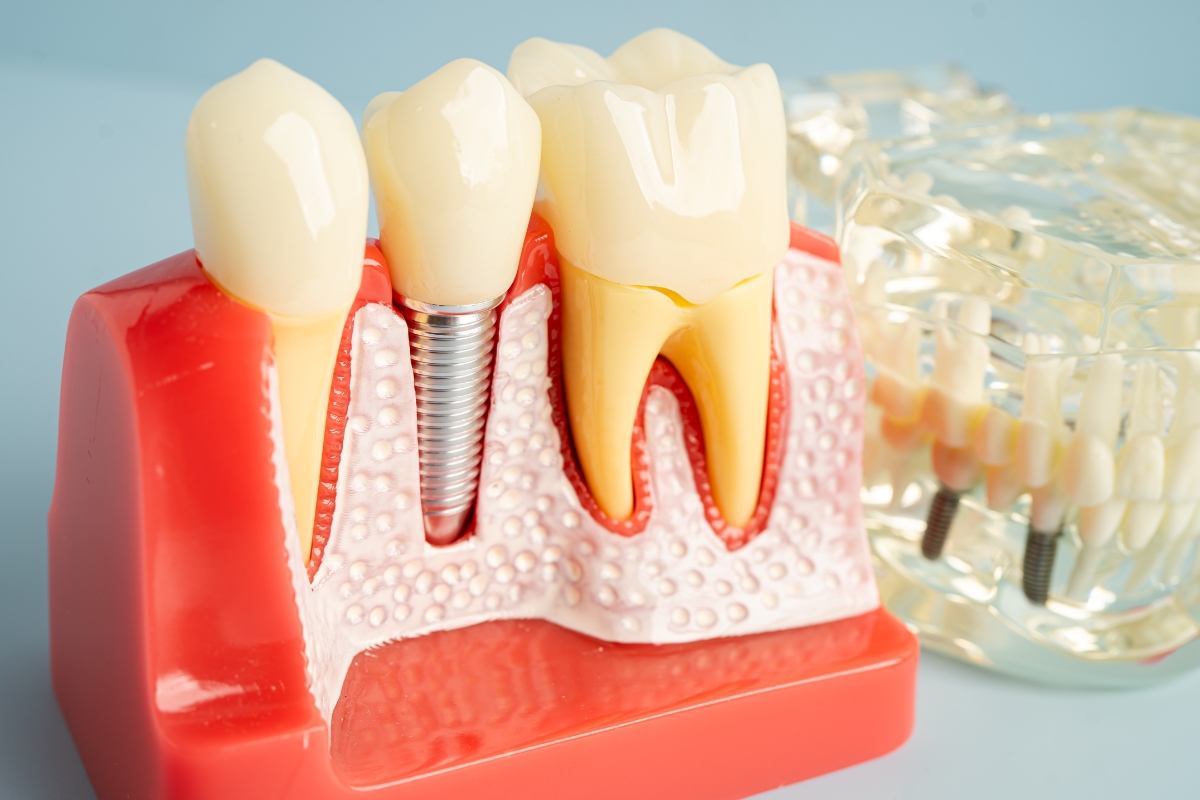
If you’re suffering from missing teeth and considering dental implants, you’re likely focused on restoring your smile with a long‑lasting, natural‑feeling solution. Implants are among the most dependable options for tooth replacement. They mimic natural tooth roots, support crowns or implant‑supported dentures, and can help you eat and speak comfortably again.
However, one factor many patients don’t think about until after surgery is how Tempe’s dry, desert climate can influence their healing process. From moisture in your mouth to hydration levels and tissue healing, the hot, arid environment in the Valley of the Sun affects more than just sunscreen choices.
In this blog, you will learn how local climate conditions can affect implant healing and receive practical tips to support optimal healing and long‑term success.
How Climate Matters for Healing After the Implant Treatment
Reduced Saliva Flow Can Affect Oral Health
Saliva isn’t just about keeping your mouth wet; it plays a vital role in neutralizing acids, washing away food particles, and supporting oral tissue health. In dry climates like Tempe’s, saliva flow can decrease, leading to:
- Xerostomia (dry mouth)
- Increased plaque buildup
- Higher risk of gum irritation
- Greater susceptibility to bacteria
When your mouth is drier, the soft tissues around your implant site may be more prone to inflammation or infection during healing. While implants themselves don’t “react” to humidity, the tissues that surround and support them definitely do, and maintaining a healthy oral environment helps protect against complications during osseointegration.
Dehydration Slows Down Tissue Healing
Healing after implant surgery depends heavily on your body’s ability to deliver nutrients and immune cells to the surgical site. Adequate hydration supports blood flow, tissue regeneration, and immune response, all essential for a smooth recovery.
In hot, dry weather, the body loses moisture quickly through sweating and evaporation. If you don’t compensate by drinking enough water, your body may be in a mild state of dehydration, which can impair the speed and quality of tissue healing after implant placement.
Impact on Soft Tissue and Gum Health
The warm climate around Tempe, especially in summer, can create an oral environment where the gums feel dry and irritated, particularly after dental surgery. This can make everyday tasks like chewing and cleaning around the implant site feel uncomfortable if not managed correctly.
While this discomfort doesn’t threaten successful osseointegration on its own, it can make oral hygiene more challenging, and poor oral hygiene is a known risk factor for peri‑implant inflammation, a condition that can compromise the long‑term success of your implanted tooth.
Steps to Support Optimal Healing in Dry Climates
Here are actionable steps you can take to reduce the climate’s impact on the recovery after you get dental implants in Tempe:
Stay Hydrated and Drink Smartly
Water is your best friend after implant surgery. Drink water consistently throughout the day instead of waiting until you’re thirsty. Staying well‑hydrated supports tissue healing and maintains adequate saliva production.
Incorporate Moisture‑Boosting Habits
Consider these strategies:
- Use sugar‑free lozenges that stimulate saliva production.
- Avoid excessive caffeine and alcohol, which can accelerate dehydration.
- Use a humidifier at night to add moisture to your bedroom air.
These practices can help keep your mouth and tissues more comfortable during recovery.
Protect Soft Tissues During Healing
During the first days to weeks after surgery:
- Rinse with a mild saline solution if recommended by your dental professional; it flushes bacteria without drying tissues.
- Avoid spicy, acidic, or extremely salty foods that can irritate healing gums.
- Continue gentle brushing around the implant site to prevent plaque buildup.
Maintain Excellent Oral Hygiene
Keeping the implant site clean prevents bacteria from accumulating around the post or beneath your prosthesis (like a crown or denture base). Use the tools and instructions your dentist provides, including soft brushes, interdental cleaners, or antimicrobial rinses when indicated.
Attend Follow‑Up Appointments
Follow‑up visits let your dental team monitor progress, remove stitches if needed, and intervene early if any sign of inflammation appears. This is especially important in environments that can promote dryness or irritation.
Climate and Implant Longevity: What the Science Says
While implants are designed to be durable and biocompatible, the success of osseointegration depends on biological factors, including your body’s healing response. Research highlights that bone and soft tissue integration around implants is a dynamic biological process that requires stable, healthy conditions for success.
The dry climate doesn’t change how osseointegration works, but it can challenge the soft tissue environment your body is working so hard to heal. That’s why proactive care and lifestyle adjustments during the healing period matter.
When to Seek Professional Care
Certain symptoms during recovery warrant a prompt check‑in with your dental team, including:
- Increased swelling or redness around the implant site
- Persistent pain that doesn’t improve with time
- Pus or unusual discharge
- Fever or chills
- Implant looseness
If any of these occur, it’s best to contact your Tempe implant dentist right away.
The Big Picture: Climate Is a Factor, But Not a Barrier
Tempe’s arid environment doesn’t make implant healing impossible; it just means you may need to take a few extra steps to protect your oral environment while you heal. With good hydration, attentive care, and the right support from your dental team, you can give your dental implants the best possible chance to integrate successfully and serve you for years to come.
Whether you’re considering a single implant or implant‑supported dentures for a full arch, schedule a consultation with our team at Okun Dentistry in Tempe. Considering the local climate’s effects, we are here to help you make informed choices and plan better for recovery. Book an appointment today!
Frequently Asked Questions (FAQs)
Does Tempe’s weather affect dental implant success?
Not directly, implants integrate with bone regardless of climate, but warm, dry conditions can affect soft tissues and saliva flow, which in turn influence comfort and oral health during healing.
How long does it take for dental implants to heal in a dry climate?
Healing varies, but osseointegration usually takes several weeks to months. Staying well‑hydrated and following your dentist’s instructions supports this process.
Can dry mouth make implant recovery harder?
Yes. Dry mouth increases bacteria and irritation risk, so keeping your mouth moist and clean boosts healing.
Should I use a humidifier after implant surgery?
A humidifier can help maintain moisture in your mouth overnight, which is helpful in dry environments like Tempe.
Will I need special oral hygiene products for dryness?
Your dentist may recommend gentle mouth rinses, soft brushes, or saliva‑stimulating products to help maintain oral health during healing.
Can dehydration slow bone healing around my implant?
Dehydration affects overall tissue health and immune function, which can indirectly slow healing. Adequate fluid intake supports your body’s ability to repair and regenerate.
When should I contact my dentist about implant site discomfort?
Contact your dentist if you notice persistent pain, swelling, pus, or if the implant feels loose — especially if symptoms worsen instead of improving.