
If you’re considering dental implants, you may have heard the term bone grafting come up. While implant surgery is a popular solution for replacing missing teeth, a bone graft in Tempe is often necessary to provide a stable, secure foundation. In Tempe, where residents enjoy an active lifestyle and a warm climate, maintaining oral health is a priority, especially when it comes to restoring lost teeth. In this blog, we’ll explain what bone restoration is, why it’s necessary, and how it works with dental implants.
What Is Bone Grafting And Why Is It Needed?
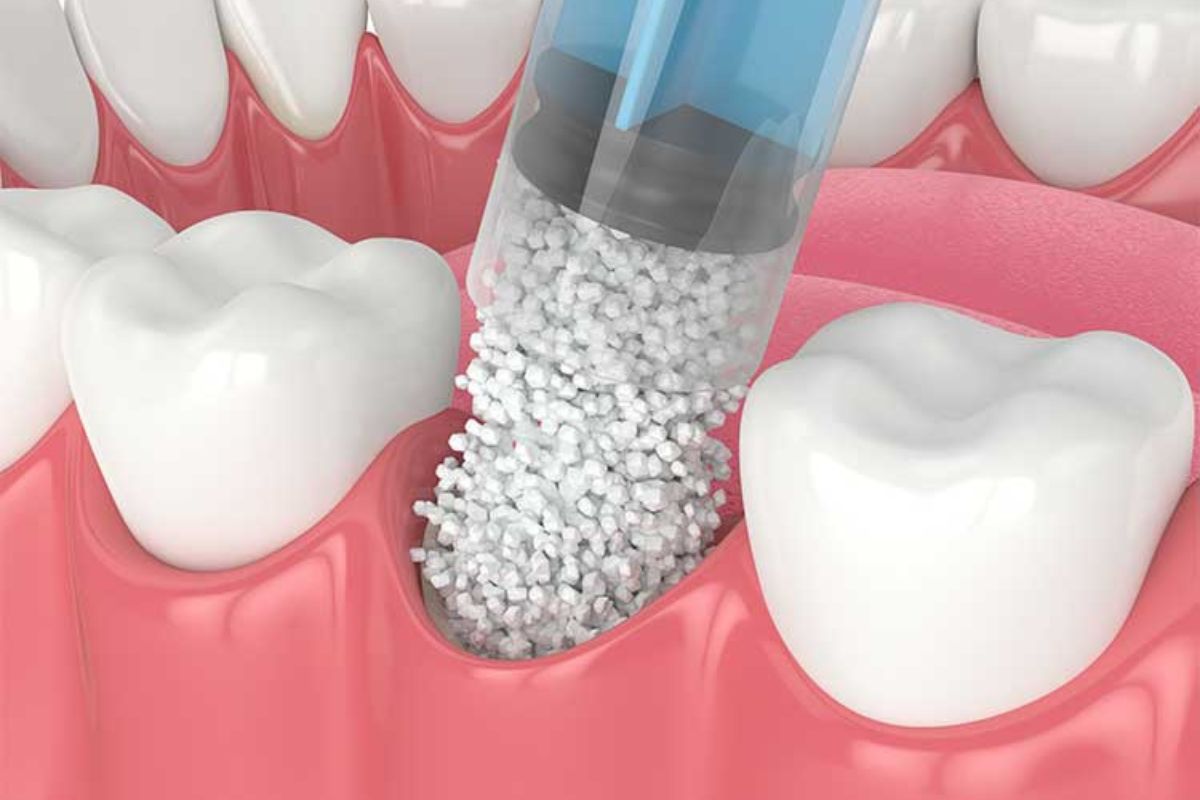
Bone grafting in Tempe, or bone augmentation, is a procedure used to build up or restore the bone in the jaw. This is crucial when a person has insufficient bone structure to support dental implants. Many, especially those with age-related bone loss, experience the need for this treatment, as bone loss is common after tooth extraction or due to gum disease. A bone graft provides a strong base for implant placement, ensuring long-term stability and success.
How Bone Restoration Works With Dental Implants?
The procedure involves placing donor bone material (either synthetic, bovine, or from your own body) in the area of the jaw where bone loss has occurred. Over time, this bone integrates with your natural bone in a process called osseointegration. The procedure is usually performed in a single session, followed by a healing period before the artificial tooth roots can be placed.
In an area where residents enjoy outdoor activities like hiking in Papago Park or visiting Tempe Town Lake, it’s essential to follow proper aftercare instructions after the procedure to avoid complications and ensure optimal healing. You’ll need to avoid strenuous physical activity for a while to allow the bone graft to integrate correctly.
What Are The Types Of Bone Growth Stimulation?
There are several types of bone grafts that your dentist may use, depending on your specific needs:
- Autograft: Bone taken from your own body, usually from the chin or another area of the jaw.
- Allograft: Donor bone from a cadaver that has been sterilized and processed.
- Xenograft: Bone material taken from another species, typically bovine.
- Alloplast: A synthetic bone material that mimics natural bone.
The type of graft your dental professional recommends will depend on the degree of bone loss, your overall health, and the specific needs of your treatment.
What Is The Process Involved For Jawbone Support?
Once you are diagnosed with insufficient bone density, the process begins with a thorough assessment by your dental surgeon. Here is what the procedure involves:
- Consultation and Assessment: A dentist will first evaluate your oral health, take X-rays, and determine if a bone graft is necessary.
- Procedure: The grafting material will be placed in the area of bone loss. This is typically done under local anesthesia, ensuring the procedure is as comfortable as possible.
- Healing: It takes several months (typically 3-6 months) for the grafted bone to integrate with your natural bone, forming a solid foundation for the implant.
- Implant Placement: Once the graft has healed, a dentist will place the prosthetic teeth securely into the newly restored bone, ensuring a stable base for the new tooth.
The Importance Of Bone Grafting For Long-Term Implant Success
In a community where residents enjoy outdoor activities like hiking at Papago Park or relaxing by Tempe Town Lake, maintaining a beautiful smile is essential. Bone rebuilding plays a key role in the long-term success of dental implants. Without adequate bone structure, implants may fail to integrate properly, leading to complications. Using a bone graft, a specialist can ensure your implanted teeth last for years, allowing you to enjoy your smile with confidence.
What To Expect During Bone rebuilding Recovery?
After bone reconstruction, proper care is vital to ensure successful integration and prevent complications. In a locale where warm weather makes outdoor activities appealing, it’s essential to follow your dentist’s aftercare instructions to ensure proper healing.
- Rest and Avoid Strenuous Activity: For the first few weeks, avoid intense physical activity to prevent stress on the healing graft.
- Oral Hygiene: Gently clean your mouth, but avoid directly disturbing the graft area.
- Diet: Stick to soft foods during the healing process to avoid irritation.
Receive Supervised Bone Grafting In Tempe
If you’re considering dental implants, bone restoration is often a crucial step to ensure the procedure’s success. This treatment restores bone structure, providing a solid foundation for long-lasting implants. Rest assured, with the proper care and expert guidance, bone grafting in Tempe will set the stage for a successful dental implant procedure, giving you the smile you’ve always wanted. Contact us today at Okun Dentistry to schedule your consultation, and let us guide you through each step to ensure the best possible outcome for your smile.
Frequently Asked Questions (FAQs) About Dental Implants
What exactly is bone graft material made of?
Bone graft materials can come from your own body, a donor, an animal source, or synthetic substitutes. Each type provides a scaffold that encourages your natural bone to regenerate and strengthen over time.
How long does it take for a bone graft to heal?
Healing time varies based on graft size and technique, typically ranging from three to six months. During this period, new bone gradually integrates with your existing jaw structure.
Does a bone graft hurt after surgery?
Discomfort is usually mild to moderate and can be managed with prescribed pain relief and rest. Most patients experience swelling and tenderness that improve steadily over a few days.
Can bone grafting fail?
Although success rates are high, graft failure can occur if infection develops or if underlying conditions hinder healing. Our dentist closely monitors your recovery and adjusts your care to minimize these risks.
Will I need bone grafting for every dental implant?
Not every implant requires bone grafting, but sufficient bone volume is essential for long‑term stability. If your jaw lacks adequate support, a graft helps create a dependable foundation for the implant.