

That nagging toothache. Is it just a passing sensitivity, or something more serious? You’ve probably asked yourself this question. Cavities are sneaky little culprits, and they can cause a world of discomfort if left unchecked. So, how do you know when it’s time to call a professional? Let’s break down the signs you shouldn’t brush aside.
Top Causes Of Toothache
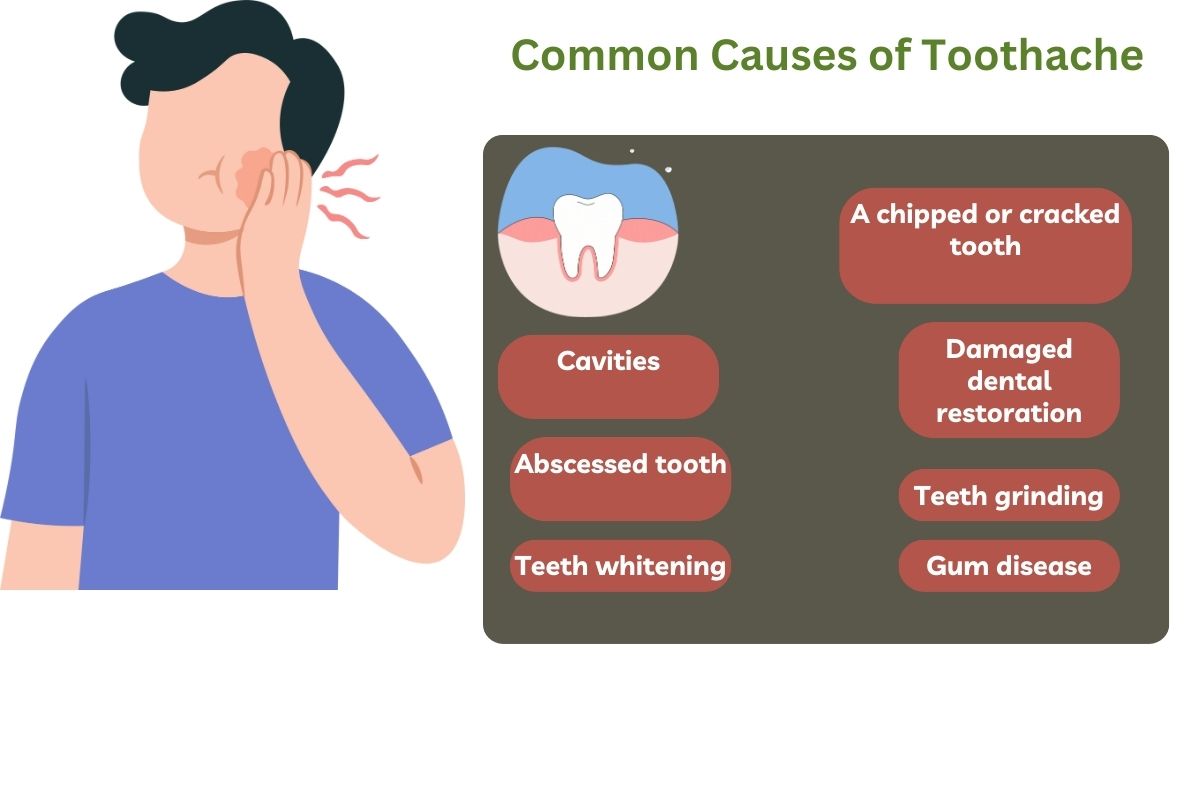
Toothaches arise from various sources, ranging from simple gum irritation due to over-brushing to more complex issues like injury and tooth decay. The pain itself stems from irritation or exposure of the dentin tubules, which connect directly to the tooth’s nerves. Common triggers include:
- Cavities
- Abscessed tooth
- A chipped or cracked tooth
- A damaged dental restoration (like a filling or crown)
- Teeth grinding or clenching (bruxism)
- Gum disease or gum recession
- Teeth whitening
The Sharp Sting: Pain Signals a Problem
A sharp, sudden pain when you bite into something sweet or cold is a classic red flag. This isn’t just a minor twinge. It’s your tooth screaming for attention. The pain may come and go, but the underlying issue persists. Ignoring this can lead to bigger problems. Early detection is key.
Persistent Dull Ache: The Unrelenting Throb
Sometimes, the pain isn’t sharp; it’s a dull, constant ache. This type of pain often indicates the cavity has progressed, possibly reaching the deeper layers of the tooth. It’s the kind of pain that keeps you up at night, making it difficult to concentrate during the day. Don’t let it become your new normal.
Visible Holes or Pits: Seeing is Believing
Take a close look in the mirror. Do you see any small holes or pits in your teeth? Dark spots or discolored areas can also be signs of decay. These visible signs are clear indicators that a cavity is forming or has already taken hold. If you notice any of these signs, please contact a reputed dentist.
Sensitivity to Temperature: Hot and Cold Agony
Does your tooth react sharply to hot coffee or ice cream? Increased sensitivity to temperature changes is a common symptom of cavities. As the enamel erodes, the sensitive inner layers of your tooth become exposed. This exposure causes pain when you consume hot or cold foods and drinks.
Bad Breath and Taste: The Unpleasant Side Effects
Cavities can trap food particles, leading to bad breath and an unpleasant taste in your mouth. Bacteria thrive in these areas, producing foul-smelling byproducts. If you’ve noticed a persistent bad taste or odor, it might be time to schedule a check-up.
What Happens if You Ignore a Cavity?
Ignoring a cavity won’t make it disappear. In fact, it will only worsen. Untreated cavities can lead to infections, abscesses, and even tooth loss. The infection can spread to other parts of your body, causing serious health complications. Don’t let a small issue turn into a major dental emergency.
How to Get Rid of Your Toothache: Dentist-Backed Tips
That throbbing pain is no fun. Here’s how to ease a toothache temporarily, straight from dental professionals:
- Saltwater Rinse: Dissolve a teaspoon of salt in warm water and swish gently. This can reduce inflammation and clean the area.
- Cold Compress: Apply a cold pack to the outside of your cheek for 15-20 minutes at a time. This numbs the pain and reduces swelling.
- Over-the-Counter Pain Relief: Ibuprofen or acetaminophen can provide temporary relief. Follow the dosage instructions.
- Clove Oil: Dab a small amount of clove oil on a cotton ball and apply it to the affected area. Clove oil has natural numbing properties.
- Avoid Trigger Foods: Stay away from very hot, cold, sweet, or hard foods that can aggravate the pain.
Important: These are temporary fixes. A persistent toothache signals a potential dental issue. See your dentist as soon as possible to address the root cause and prevent further complications.
The Role of a Dentist For Toothaches: Your Oral Health Partner
Regular dental check-ups are crucial for preventing and treating cavities. A dental professional can detect cavities early, before they cause significant pain or damage. They can provide fillings, crowns, or other treatments to restore your tooth’s health. Early intervention saves you time, money, and discomfort. If you are a resident of either Tempe or Mesa, Okun Dentistry is available to assist you. Dr. Amy Okun and her dedicated dental team uphold strong dental ethics to address any toothache. At our dental facility, we can guide you with the appropriate treatment options, as the underlying causes of toothaches can be varied. Visit our dental office to seek treatment from our leading dentist in Tempe and Mesa, Dr Amy Okun.
Prevention is Better Than Cure: Keeping Cavities at Bay
Good oral hygiene practices can help prevent cavities. Brush your teeth twice a day with fluoride toothpaste. Floss daily to remove plaque and food particles from between your teeth. Limit sugary 1 foods and drinks. Regular dental cleanings and check-ups are also essential for maintaining a healthy smile.
Don’t Wait Until It’s Too Late
If you’re experiencing any of these signs, don’t hesitate to seek professional help. Our dentist, based in Tempe and Mesa, can provide a thorough examination and develop a treatment plan to address your specific needs. A visit to our dental office can revive your oral health and lead to your overall well-being.
Ready to say goodbye to that toothache?
Don’t let a cavity ruin your day. Schedule an appointment with our friendly team today. We’re here to help you achieve a healthy, pain-free smile.