
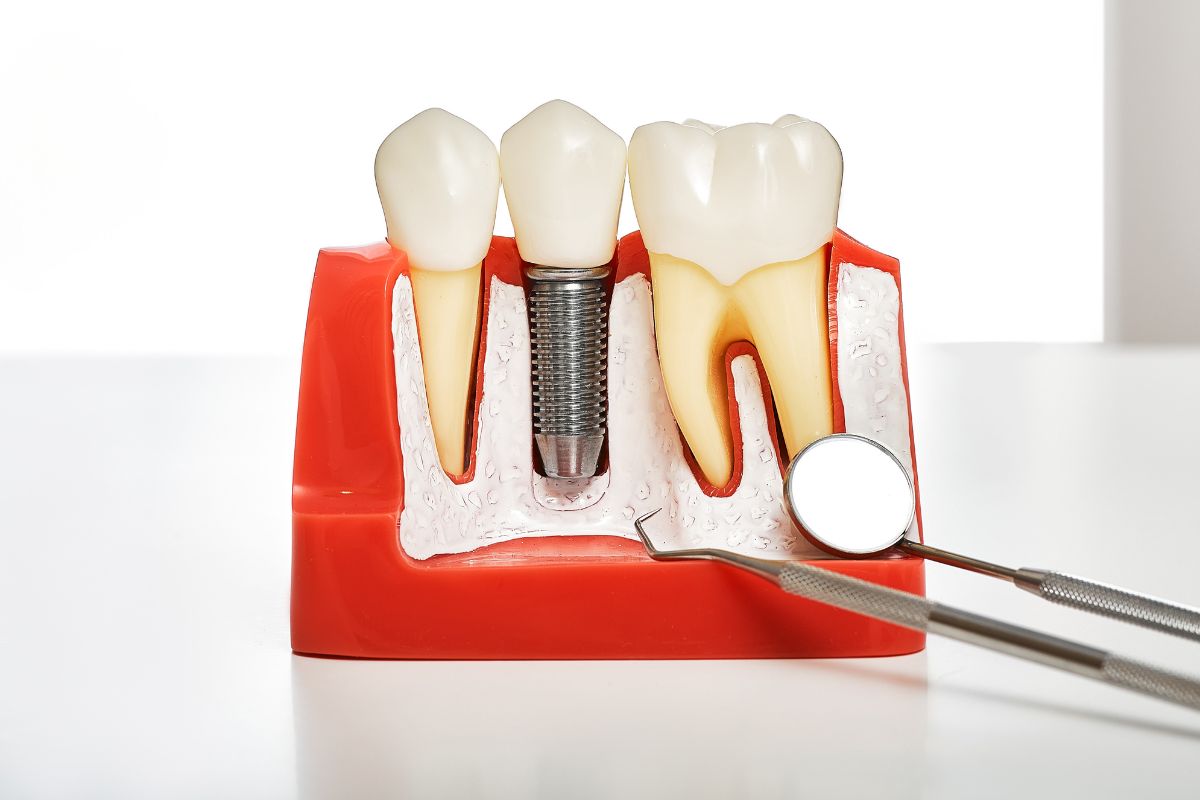
Are you considering dental implants in Tempe or in other parts of the United States? If so, being curious about their longevity and the factors that affect their success is quite common. Implants provide a reliable and permanent solution for missing teeth, restoring both functionality and aesthetics. However, like all medical treatments, this teeth replacement procedure also comes with challenges.
Are you curious about how long an implanted tooth can last, why they may fail, and how you can ensure long-term success with the proper care? You are on the right page.
How Long Do Implants Last?
These artificial tooth roots are designed to offer long-term stability, with most lasting between 10 and 25 years. In some cases, with proper care, an implanted tooth can last even longer. Lifespan is often influenced by factors like oral hygiene, the quality of bones, and lifestyle habits.
Hydration is key for those living in Tempe’s dry desert climate. The area’s hot and arid conditions can dry out the mouth, but this doesn’t directly impact the implants themselves. Proper hydration is essential to ensure your implants and gums stay healthy and functional.
Key Factors That Affect the Lifespan of Implants
Several factors can influence how long your implants last. Let’s explore them:
- Bone Health: The strength and density of your jawbone are crucial for the success of dental implants in Tempe or anywhere else. If the bone isn’t dense enough to support the implant, it could result in implant failure. In many cases, bone grafting may be needed prior to implant placement to ensure proper support.
- Oral Hygiene: Proper oral care is essential for preventing infections or gum disease, both of which can affect the success of your implant. Brush your teeth twice a day, floss daily, and schedule regular cleanings to keep your implant healthy.
- Diet and Lifestyle: Eating a balanced diet, rich in calcium and vitamins, can help maintain strong bones and healthy gums. Avoiding excessive alcohol and tobacco use will also prevent unnecessary complications with your implants.
- Gum Health: Healthy gums are critical to the longevity of this artificial tooth root. To prevent complications, patients should avoid gum disease and ensure that their gums stay free from infection.
Why Do Implants Fail?
Although implants have a high success rate, certain factors can lead to failure. Understanding why implants fail can help prevent further issues.
- Infection (Peri-implantitis): Infection is one of the primary causes of implant failure. Bacteria around the implanted tooth can cause inflammation in the gums and bone, which may lead to implant loss if left untreated.
- Poor Bone Quality or Insufficient Bone Volume: If the jawbone isn’t strong or dense enough to support the implant, the implant may not fuse correctly with the bone. This failure of osseointegration can result in the implant’s loosening or failure.
- Excessive Force or Stress: Applying too much pressure on the implant, such as from teeth grinding or chewing on complex objects, can cause the implant to fail. This is why protecting your implants from undue stress during the healing phase is crucial.
- Improper Implant Placement: Accurate implant placement is essential for its success. If the implant is placed in the wrong location or angle, it may not fuse properly with the bone, resulting in failure.
- Gum Disease: Gum disease, particularly around the implant, can lead to its loosening. Patients must be diligent about maintaining healthy gums to prevent this.
How to Maximize the Longevity of Your Implants?
To ensure your replacement tooth lasts as long as possible, follow these tips:
- Practice Good Oral Hygiene: Brush and floss regularly to avoid infection and maintain gum health.
- Visit Your Dentist Regularly: Regular checkups will help your dentist monitor the condition of your implants and ensure any issues are caught early.
- Avoid Smoking: Smoking can negatively affect your implant by slowing down the healing process and increasing the risk of infection.
- Maintain a Healthy Diet: A well-balanced diet full of nutrient-rich foods can help keep your jawbone and gums healthy.
- Protect Your Implants: If you grind your teeth at night, use a mouthguard to protect your implants from excess pressure.
Enhance the Durability of Your Implanted Tooth With Professional Implant Care
Dental implants in Tempe offer a fantastic, long-term solution for replacing missing teeth, helping you regain your smile and function. With proper maintenance, your implants can last for many years. However, issues such as infections, poor bone quality, and excessive stress can cause failure if not managed properly. By maintaining excellent oral hygiene, avoiding harmful habits, and following your dentist’s advice, you can ensure that your artificial tooth roots provide long-lasting benefits.
If you are considering this outstanding tooth replacement procedure, now is the perfect time to restore your smile. Book an Appointment at Okun Dentistry today and learn how we can help you achieve lasting dental health with implants.
FAQs About Dental Implants
- How long do dental implants last?
Implants typically last 10 to 25 years, with some lasting a lifetime when cared for properly. Bone health and oral hygiene are essential for longevity.
- What causes dental implants to fail?
Infection, poor bone quality, improper placement, and excessive force on the implant can lead to failure. It’s vital to practice good oral care and follow your dentist’s instructions.
- Can dental implants fail years after placement?
Yes, implants can fail over time due to factors such as infection or gum disease. Regular dental visits are crucial for monitoring the health of your implants.
- How can I prevent dental implant failure?
Practice good oral hygiene, avoid smoking, and maintain a healthy diet. Regular dental checkups are also vital to catch potential issues early.
- Are dental implants suitable for everyone?
Implants are not suitable for everyone, especially if you have insufficient bone density. Your implant specialist will evaluate you thoroughly to determine if you’re a good candidate for the procedure or need further procedures to replace your lost teeth.