
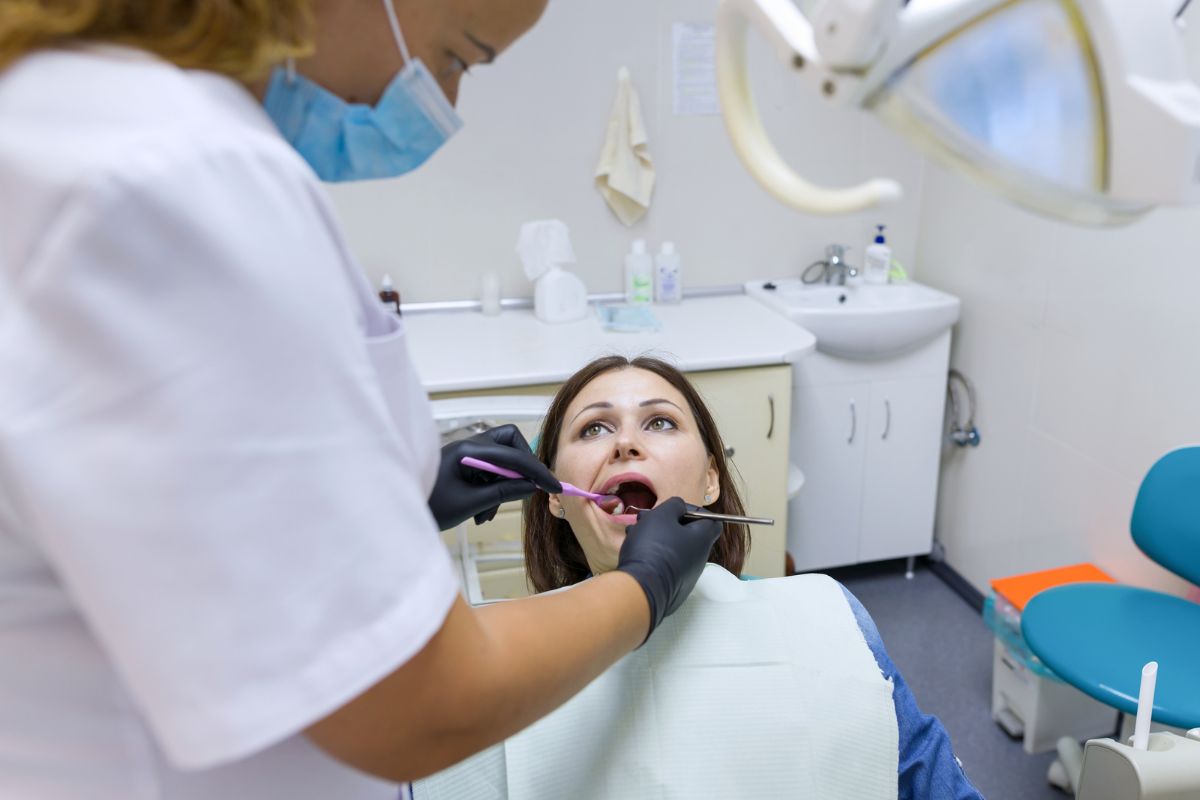
Many people experience feeling anxious at the dentist’s office. Thankfully, options like anesthesia and sedation can make your visit a lot more comfortable. Although both techniques help with pain and anxiety, they work differently and are used for various procedures. Let’s dive into the key differences between anesthesia and sedation in dentistry, what they do, and why it’s important to know these details when looking for a sedation dentist in Tempe for your next appointment.
What Is Anesthesia in Dentistry?
In dentistry, anesthesia refers to the use of medications to block pain in specific areas during procedures. This local pain relief is ideal for procedures such as fillings, crowns, and extractions, where patients need to be alert but free from discomfort. Administered through injections or topical gels, anesthesia works by numbing the area being treated.
Local anesthesia is the most common type used in dental care and is effective in preventing pain without affecting the patient’s awareness. This type of anesthesia typically lasts only for the duration of the procedure, though numbness may persist for a short time afterward.
How does Anesthesia work in Dental Procedures?
Anesthesia blocks pain signals from the nerves to the brain, essentially “numbing” the affected area. Local anesthetics used in dentistry, like lidocaine, are specifically designed for safe use around the mouth and gums. Once the dentist injects the anesthetic, it takes a few minutes to start working, providing relief from any pain or sensitivity.
For dental patients who experience anxiety about potential pain, anesthesia offers targeted relief, ensuring that even complex procedures are as comfortable as possible.
What Is Sedation in Dentistry?
Sedation involves using medications to help patients relax or even sleep during dental procedures. It’s particularly useful for people with dental anxiety, children needing extensive treatment, or patients undergoing lengthy procedures. Unlike anesthesia, sedation doesn’t numb specific areas but instead calms the central nervous system, easing any fear or discomfort.
Sedation dentistry is popular for more extensive procedures and is categorized into three main types, each with varying levels of sedation:
- Minimal Sedation: Patients feel relaxed but remain fully awake and responsive.
- Moderate Sedation: Patients are conscious but may not remember much of the procedure, feeling drowsy and calm.
- Deep Sedation: Patients can still be alerted if needed, even though they are near unconsciousness.
These options allow a sedation dentist to customize treatment based on each patient’s comfort needs.
Different Types of Sedation Used in Dentistry
Sedation dentistry in Tempe includes a few common methods, each suited to particular needs:
- Nitrous Oxide (Laughing Gas): Often used for mild to moderate sedation, nitrous oxide is inhaled through a mask. Patients can drive themselves home after treatment because its effects wear off quickly.
- Oral Sedatives: Taken in pill form, oral sedatives induce moderate sedation. The effects may linger after the procedure, so patients need someone to drive them home.
- IV Sedation: Administered directly into the bloodstream, IV sedation offers quick effects and is often used for more involved treatments. The dentist monitors the dosage to maintain the right level of sedation throughout the procedure.
Each sedation option provides different levels of relaxation, making sedation dentistry ideal for those with high dental anxiety or complex treatment plans.
Key Differences Between Anesthesia and Sedation
Understanding the distinctions between anesthesia and sedation is essential to selecting the right approach for each dental visit.
Purpose
Anesthesia is used for pain relief, while sedation focuses on relaxation. Anesthesia blocks pain signals, while sedation calms the nervous system, reducing anxiety without necessarily numbing the mouth.
Consciousness Levels
Anesthesia doesn’t affect awareness; patients remain fully alert. With sedation, patients can be fully awake, moderately conscious, or deeply relaxed, depending on the sedation type.
Application
Anesthesia is localized to specific areas, typically around the teeth or gums. Sedation, however, affects the overall nervous system, helping patients feel relaxed but not numb.
Suitability
Anesthesia is most suitable for routine dental work, such as cavity fillings or root canals. Sedation is beneficial for patients with dental phobias or for more extensive procedures, like implant surgery.
When Is Sedation or Anesthesia the Best Choice?
Both anesthesia and sedation have unique benefits that can improve a patient’s dental experience. Understanding when to use each option is essential, as both play important roles in creating a more comfortable environment.
Use of Anesthesia
Dentists commonly use anesthesia for pain-free dental procedures where patients need to remain alert. Anesthesia offers effective pain relief during short procedures without leaving patients overly groggy or sedated.
Use of Sedation
Sedation is more appropriate when patients need assistance managing anxiety. A sedation dentist can provide different levels of sedation for patients who find dental visits stressful or have extensive procedures scheduled. Sedation helps patients feel calm, even for multi-hour procedures.
The Function of Sedation Dentistry in the Treating of Dental Anxiety
Dental anxiety is a widespread concern, often keeping patients from visiting the dentist as often as they should. According to the American Dental Association (ADA), a significant percentage of adults experience moderate to high levels of dental fear. Sedation dentistry helps bridge this gap by making dental care more accessible and comfortable for those with anxiety.
By offering sedation options, a dentist can ease these fears, allowing patients to prioritize their oral health without the added stress. This approach is beneficial for individuals with a strong gag reflex, low pain tolerance, or past traumatic dental experiences.
Choosing between anesthesia and sedation ultimately depends on the procedure and the patient’s comfort level. While anesthesia ensures a pain-free experience for those alert during their visit, sedation offers peace of mind and relaxation for those needing extra comfort. A sedation dentist in Tempe will guide you in selecting the right option, ensuring every visit is as smooth as possible. Both options aim to make dental care accessible and comfortable for everyone, allowing patients to focus on maintaining their oral health without fear or discomfort.