
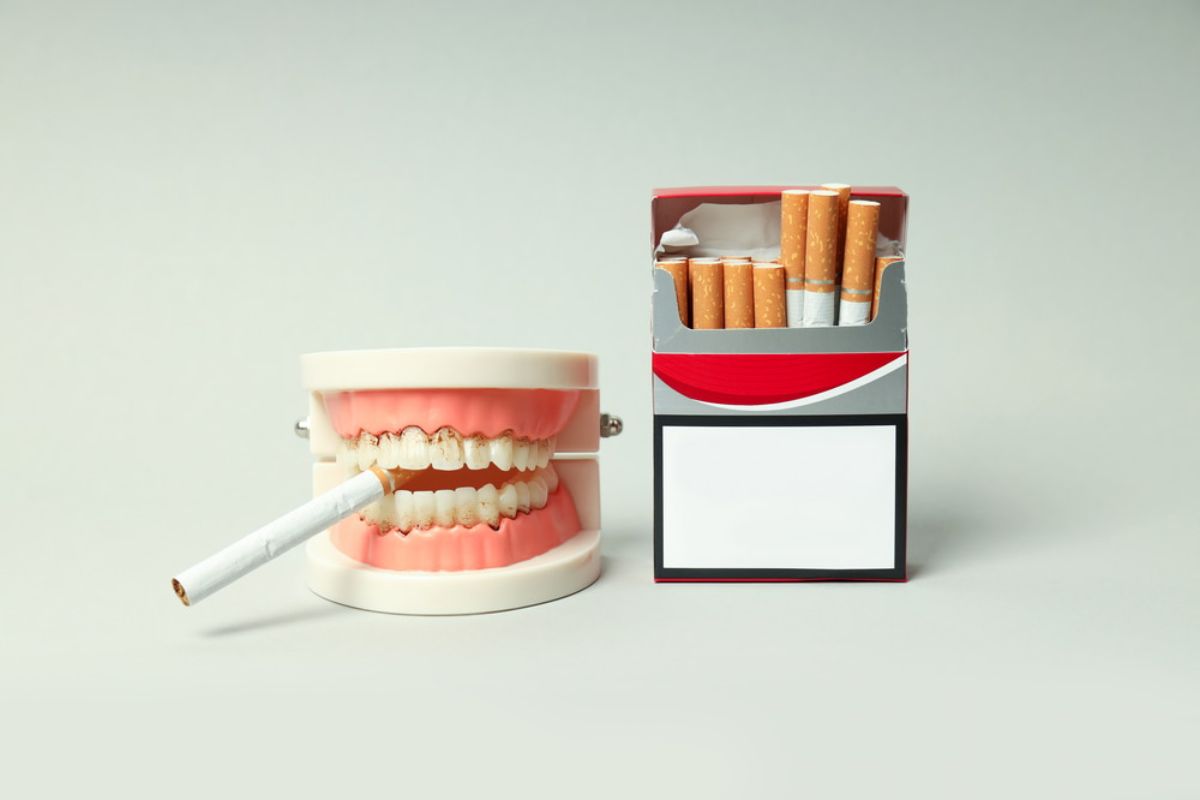
Smoking harms more than your lungs. It wreaks havoc on your mouth. Your teeth and gums suffer greatly. Let’s uncover the harsh realities. You know smoking is harmful. But how does it truly impact your mouth? Your teeth, gums, and overall oral health face direct attacks. Let’s break down the specific ways smoking causes damage.
Stained Smiles and Bad Breath
Do you smoke? Then you know about yellow teeth. Nicotine and tar stain enamel. This discoloration is hard to remove. Professional cleaning helps somewhat. However, stains often reappear. What about your breath? Smoking causes chronic bad breath. Chemicals linger in your mouth. This affects your confidence.
Gum Disease: A Silent Attacker
Smoking dramatically increases gum disease risk. It weakens your immune system. Your body struggles to fight infection. Gums become inflamed and bleed easily. This is gingivitis. Untreated, it progresses to periodontitis. This severe form damages bone. It supports your teeth. Teeth can loosen and even fall out. Smokers have a higher chance of tooth loss. Regular check-ups are crucial.
Delayed Healing and Complications
Oral surgeries become riskier for smokers. Extractions, implants, and root canals heal slower. Blood flow to the gums decreases. This impairs recovery. Infections are also more common. Dental experts often advise quitting before procedures. This improves healing outcomes significantly. Your overall health benefits too.
Oral Cancer: A Dire Consequence
This is the most alarming truth. Smoking is a leading cause of oral cancer. This includes cancer of the lips, tongue, and throat. Early detection is vital. Regular dental exams can spot warning signs. Don’t ignore any persistent sores. Lumps or red patches need immediate attention. Our dentist can perform screenings.
Taste and Smell Alterations
Smoking dulls your senses. Food loses its flavor. Aromas become less distinct. This impacts daily enjoyment. Quitting can restore these senses. You’ll appreciate meals more. Life becomes richer.
Protecting Your Oral Health
It’s never too late to quit. Your mouth will thank you. Your body will too. Quitting improves gum health quickly. Stains can lighten over time. Bad breath often disappears. Regular dental visits are essential. Professional cleanings remove plaque. Your dentist can offer guidance. They can help you maintain a healthy smile.
Take Control of Your Smile
Don’t let smoking dictate your oral health. You deserve a healthy, bright smile. Take the first step today. Prioritize your dental well-being.
Ready for a healthier smile? Schedule an appointment with our trusted dentist. We can help to restore your dental health. Your teeth and gums will thank you!
Frequently Asked Questions
Q1: How quickly does smoking start affecting my teeth and gums?
A: Smoking starts hurting your mouth almost immediately. Stains can appear quickly. Gum irritation can also begin early.
Q2: Can professional dental cleanings remove all smoking stains?
A: Professional cleanings can significantly reduce stains. However, deep stains may remain. They often reappear quickly if you continue smoking.
Q3: Is gum disease caused by smoking reversible?
A: Gingivitis (early gum disease) is often reversible with quitting. It also needs good oral hygiene. Advanced periodontitis is manageable. However, its damage is usually permanent.
Q4: How does smoking affect dental implants?
A: Smoking greatly increases implant failure risk. It impairs healing. It also reduces blood flow to the gums and bone.
Q5: What are the early signs of oral cancer linked to smoking?
A: Look for persistent sores or lumps. Red or white patches are also concerning. Any unusual bleeding or numbness needs checking.
Q6: If I quit smoking, will my gums and teeth heal completely?
A: Quitting significantly improves oral health. Gums can heal and become healthier. The risk of gum disease decreases. Stains may lighten.
Q7: How often should a smoker visit the dentist?
A: Smokers should visit their dentist more frequently. Regular check-ups are key. At least twice a year is recommended. This helps monitor for gum disease and cancer.
Q8: Does vaping have the same effects on oral health as traditional smoking?
A: While research is ongoing, vaping still contains nicotine. Nicotine restricts blood flow. It can harm gum health. Vaping can also cause dry mouth. This increases cavity risk.
Q9: Can my dentist help me quit smoking?
A: Your dentist can offer resources. They can also provide support. They can also discuss nicotine cessation options with you.
Q10: What are the benefits of quitting smoking for my oral health?
A: Quitting improves gum health. Your breath will get better. Oral cancer risk decreases. You’ll enjoy better taste and smell. Healing after dental procedures improves.