
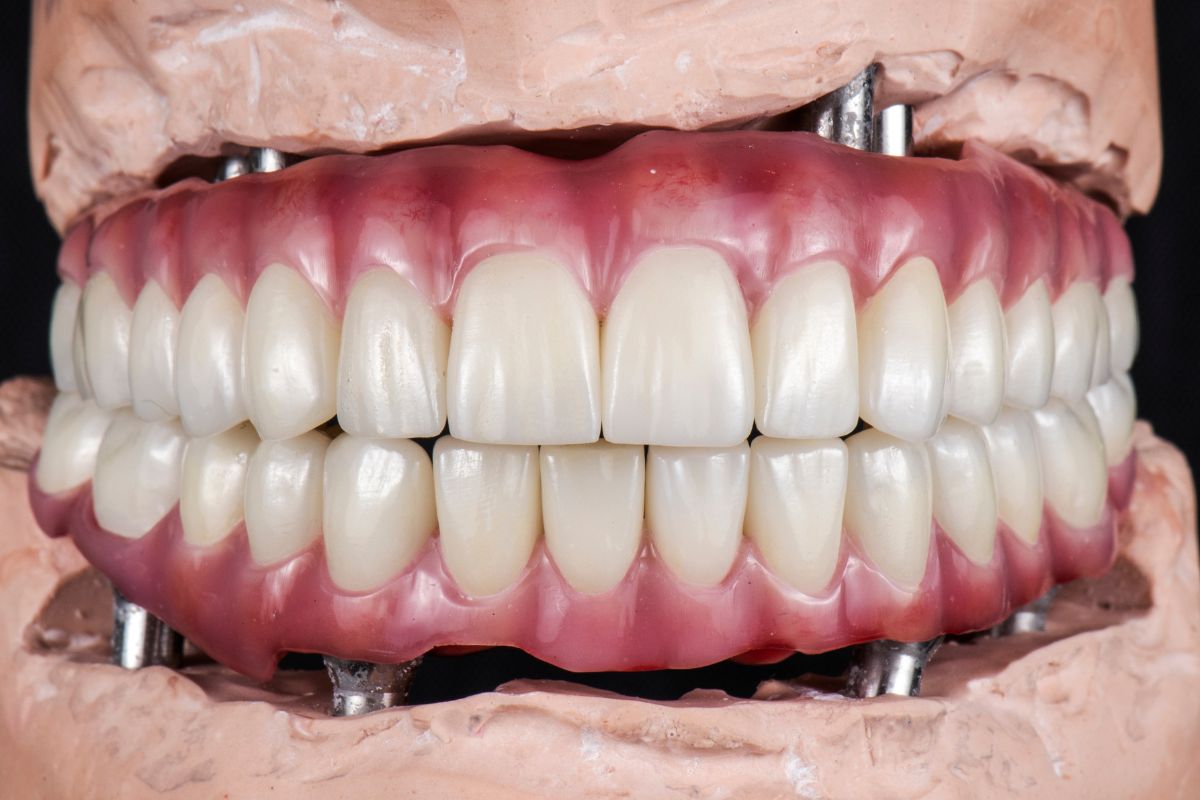
Dental implant treatments have transformed oral health solutions by addressing issues like missing teeth, bone loss, or poor chewing efficiency. Their role in improving functionality, aesthetics, and confidence makes them a preferred choice for many in the United States. Yet, successful recovery hinges on following precise aftercare recommendations. Here’s a detailed guide to ensure effective healing after your procedure.
Oral Problems Addressed by Implants
Dental Implants in Tempe solve complex oral health challenges beyond simple cosmetic fixes. Missing or severely damaged teeth, for example, compromise jawbone integrity. Over time, this leads to bone resorption, a condition where the surrounding bone deteriorates due to lack of stimulation. Implants counter this by mimicking natural roots, preserving bone mass.
For those dealing with loose or uncomfortable dentures, implants offer unmatched stability. They anchor prosthetics firmly, preventing slippage during eating or speaking. Implants also bridge gaps in the smile line, reducing undue pressure on adjacent natural structures. This creates a balance that supports overall oral health, enhancing both form and function.
Tips for Safely Healing from Your Dental Implant Treatment
Healing after an implant procedure requires attention to both hygiene and lifestyle. Following these recommendations will encourage swift and safe recovery:
Follow Post-Surgical Instructions Rigorously
Your oral surgeon’s advice should be your first point of reference. They tailor care instructions to your unique needs. Stick to prescribed medications, especially antibiotics, to prevent infections. Avoid over-the-counter painkillers without consulting your provider, as some may interfere with clot formation.
Control Bleeding with Proper Techniques
Mild bleeding post-surgery is normal. Bite gently on gauze pads to control this. Replace them every thirty to forty-five minutes or sooner if saturated. Avoid spitting forcefully, as this can dislodge clots essential for healing.
Prioritize a Soft Food Diet
Immediately after surgery, avoid chewy, crunchy, or hot foods. Opt for options like yogurt, mashed potatoes, or broth. A nutrient-rich diet helps promote tissue regeneration and reduces the risk of complications. Gradually reintroduce solid foods as instructed by your healthcare provider.
Maintain Optimal Oral Hygiene Without Disturbing the Surgical Site
Hygiene plays a pivotal role in minimizing infection risks. Use a soft-bristled toothbrush to clean surrounding teeth while avoiding direct pressure on the implant site. A saline rinse or an antimicrobial mouthwash is beneficial for reducing bacteria in hard-to-reach areas.
Avoid Smoking or Tobacco Products
Tobacco use is a leading cause of implant failure. Nicotine restricts blood flow, delaying the healing process significantly. Abstaining from smoking ensures proper oxygen and nutrient delivery to the surgical area.
Protect the Implant During Sleep
Sleeping on your back reduces unnecessary pressure on the treated area. Use extra pillows to keep your head elevated, minimizing swelling and promoting fluid drainage.
Manage Swelling with Cold Compresses
Swelling around the gums and face is common during the first 48 hours. Apply cold compresses intermittently to reduce inflammation and discomfort. Ensure the application time does not exceed 10–15 minutes per session.
Stay Hydrated Without Using Straws
Hydration aids in recovery, but drinking through straws creates suction that could disturb the healing tissue. Focus on drinking plenty of water throughout the day to keep yourself hydrated.
Schedule and Attend Follow-Up Appointments
Regular visits to your oral surgeon or restorative specialist are non-negotiable. These check-ups ensure the implant integrates successfully with the surrounding bone and that no complications arise.
Exercise Patience During the Healing Process
Healing timelines vary based on individual factors like age, overall health, and bone density. Osseointegration can take several months, and the implant fuses with the bone. Follow your dentist’s advice closely and avoid rushing activities that could jeopardize recovery.
While advanced techniques make implant procedures increasingly predictable, your role in post-treatment care cannot be overstated. Proper hydration, balanced nutrition, and attention to oral hygiene foster long-term success. By adhering to these principles, you enhance the likelihood of seamless recovery and maximize the benefits of your investment.
With expertise in restorative care, providers of dental implants in Tempe ensure patients are supported throughout the recovery journey. Their patient-centered approach is designed to deliver personalized guidance that prioritizes both comfort and outcomes. If you’ve recently undergone treatment, the road to recovery begins with informed, diligent care. A proactive mindset and professional assistance are your best allies in safeguarding oral wellness.