
Rick I.
5.0

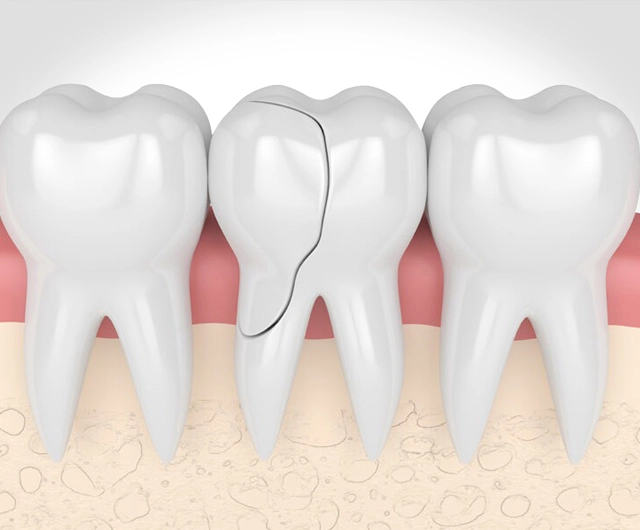
Options for Cracked Tooth Treatment
In the past, extracting a cracked tooth was often the only option, but advancements in dental technology have opened up a range of alternatives. While some deep cracks that extend below the gumline may still require extraction, many teeth can now be effectively saved and protected using a crown or a combination of root canal therapy and a crown. When you visit a dentist in Mesa, AZ, you can expect to receive high-quality dental care aimed at restoring your damaged or imperfect teeth.
At Okun Dentistry in Mesa, AZ, we are committed to helping you preserve your natural tooth. When you schedule an appointment with us, our team will review your x-rays, discuss your options, and recommend the best treatment plan for your needs.
Frequently Asked Questions
Cracked teeth can result from biting down on hard foods, grinding or clenching teeth, sudden trauma, or natural wear over time. Age and large existing fillings also increase risk. Minor cracks may go unnoticed at first, but identifying causes early helps prevent further damage. A dentist can evaluate symptoms and recommend proper treatment.
Common signs include sharp pain when chewing, sensitivity to hot or cold foods, intermittent discomfort, or pain that comes and goes. Sometimes cracks are visible as lines on the tooth surface, but not always. A dental exam helps confirm the presence and severity of a crack so the right treatment plan can be chosen.
Dentists use a thorough oral exam, bite tests, and dental imaging to diagnose cracked teeth. Special tools help reveal cracks not visible to the naked eye. Your dentist will assess how deep the crack goes and whether it affects the tooth’s pulp, guiding a treatment plan that protects the tooth and prevents infection.
Yes. Minor cracks that affect only the tooth’s outer layer can often be treated with cosmetic bonding or a filling. These options restore the tooth’s surface and prevent bacteria from entering. When cracks are deeper or compromise strength, stronger restorations like crowns are recommended to fully protect the tooth.
A dental crown is often recommended when a crack extends into the tooth’s structural layers or if a large portion of the tooth is weakened. Crowns cover the entire chewing surface, reinforcing strength and preventing the crack from spreading. They help restore function and protect the tooth long-term.
No. Unlike minor soft tissue injuries, cracked teeth don’t heal naturally. Without treatment, cracks can deepen, allowing bacteria to reach the inner pulp and cause infection or pain. Prompt dental care stabilizes the tooth and prevents more serious complications, preserving oral health and avoiding possible extraction.
If bacteria enter the inner pulp through a crack, the tooth can develop infection and inflammation. This often leads to persistent pain, swelling, or abscess formation. Treatment may then include root canal therapy to remove infected tissue and restore the tooth’s health, followed by protective restoration such as a crown.
Protect your teeth by avoiding hard foods like ice or unpopped popcorn kernels and wearing a mouthguard during sports. If you grind your teeth at night, ask your dentist about a night guard. Maintaining good oral hygiene and regular dental checkups also help identify weaknesses early to prevent cracks from starting.
Many dental insurance plans provide coverage for restorative treatments like fillings and crowns when cracked teeth are diagnosed and treated. Coverage levels vary, so Okun Dentistry’s team can help you understand your plan benefits and explain any out-of-pocket costs, making treatment planning easier and more affordable.
You should schedule a dental appointment as soon as you notice pain, sensitivity, or visible cracks. Early evaluation allows your dentist to assess the extent of damage and recommend appropriate treatment before the crack worsens. Prompt care improves outcomes and helps preserve the natural tooth.