
- Colene W.
5.0

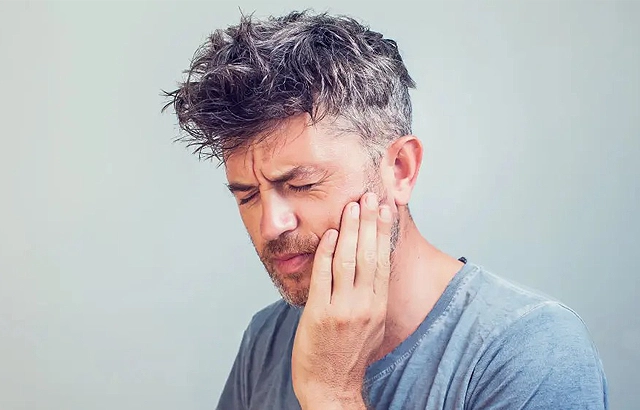
Tooth grinding, also known as bruxism, can lead to serious jaw disorders. If left untreated, these disorders can have detrimental effects on your teeth, gums, and jawbone.
One of the most common jaw problems is related to the temporomandibular joint (TMJ). This joint connects your lower jaw to your skull and is essential for opening, closing, chewing, and speaking.
Individuals with temporomandibular joint disorders (TMD) often experience a clicking or popping sound when moving their jaw. Other symptoms may include frequent headaches, neck aches, and tooth sensitivity.
Treatment options for TMD vary depending on the severity of the condition. Some common approaches include:
- Medications: Muscle relaxants and over-the-counter pain relievers like aspirin can help alleviate discomfort.
- Behavioral therapy: Biofeedback techniques can help manage stress and jaw muscle tension.
- Oral appliances: A custom-made mouthguard worn during sleep can reduce tooth grinding and protect the teeth.
While most cases of TMD involve mild jaw muscle pain, more severe conditions may involve misaligned joints or even jaw dislocation. In extreme cases, jaw surgery may be necessary to correct the problem. Some oral surgeries can be performed using minimally invasive arthroscopic techniques.
Frequently Asked Questions
TMJ stands for the temporomandibular joint, which is the hinge connecting your lower jaw to your skull. It allows your jaw to move when you talk, chew, yawn, and perform other jaw functions. When this joint or the muscles controlling it become irritated or misaligned, discomfort and functional issues can arise.
People with TMJ issues often notice a combination of symptoms such as pain or tenderness around the jaw, difficulty opening or closing the mouth fully, clicking or popping sounds when moving the jaw, or a feeling that the jaw catches or locks. Some individuals also experience headaches, ear discomfort, or facial aching associated with jaw movement.
TMJ discomfort can arise from several factors that influence how the jaw moves and rests. These include muscle tension from clenching or grinding, poor bite alignment, arthritis in the joint, injury to the jaw, or habits that place stress on the jaw muscles. Even stress can contribute to increased muscle tension around the joint, worsening symptoms.
Diagnosis starts with a thorough review of your symptoms and a physical evaluation of jaw movement, joint sounds, and muscle function. Sometimes imaging is used to view the joint structure and rule out other conditions. This assessment helps your dentist or clinician understand whether TMJ dysfunction or another issue is contributing to your discomfort.
Yes, chronic tension in the muscles that control jaw movement can refer pain to other areas, including the temples, forehead, and neck. This is why some people with TMJ symptoms also describe tension headaches or stiffness in surrounding muscles. Treating the underlying jaw dysfunction often helps relieve these referred pains as well.
Many approaches focus on reducing muscle tension, improving jaw alignment, and alleviating inflammation. These can include custom oral appliances that relax the bite, physical therapy techniques to improve muscle function, and behavior changes like reducing chewing tough foods. Education about how to rest the jaw and avoid stress-inducing habits plays an important role in symptom management.
Stress often leads to increased jaw clenching or tooth grinding, especially during sleep. These habits place extra load on the joint and muscles, contributing to soreness and dysfunction. Addressing stress through relaxation techniques often complements dental care for more sustainable relief.
In mild cases, TMJ symptoms may improve with conservative care, such as rest, heat or cold application, and soft-food diets. However, persistent or progressive symptoms benefit from a professional evaluation so underlying causes can be properly addressed. Early intervention helps prevent long-term changes in joint function or muscle patterns.
Surgery is rarely the first option for managing jaw joint discomfort. Most patients respond well to non-invasive or minimally invasive therapies that focus on muscle relaxation, bite stabilization, and functional improvement. Surgery may be considered if conservative measures fail and if structural joint abnormalities are clearly identified as the root cause of symptoms.
Custom dental splints or bite guards are designed to help reposition the jaw and redistribute forces during biting and grinding. By reducing strain on the joint and muscles, these appliances often decrease pain and improve comfort. Proper fit and adjustment over time help ensure that the device supports symptom relief without causing bite imbalance.
Many headaches associated with jaw muscle tension share characteristics with tension-type headaches, such as aching pain around the temples or behind the eyes. TMJ-related headaches may present in similar ways, but the underlying cause stems from muscle overuse and joint dysfunction. Treating the jaw concerns often helps reduce headache frequency and intensity.
Jaw pain can originate from several sources, including dental infections, sinus issues, arthritis, or muscle strain unrelated to TMJ. A clinical examination that includes evaluation of jaw motion, joint sounds, muscle tenderness, and bite function helps distinguish TMJ discomfort from other problems. Accurate assessment ensures that the most effective treatment path is chosen.
Simple adjustments such as eating softer foods, avoiding excessive chewing on tough or sticky items, practicing jaw relaxation exercises, and reducing nighttime clenching through relaxation techniques often contribute to symptom relief. Consistency in these habits sometimes makes a noticeable difference in how the jaw feels during the day.