
When it comes to tooth replacement, dentures are a popular choice. They can restore your smile and improve your quality of life. But deciding between full and partial dentures can be tricky. Let’s break down the key differences to help you choose the best option for your needs.
What Are Full Dentures?
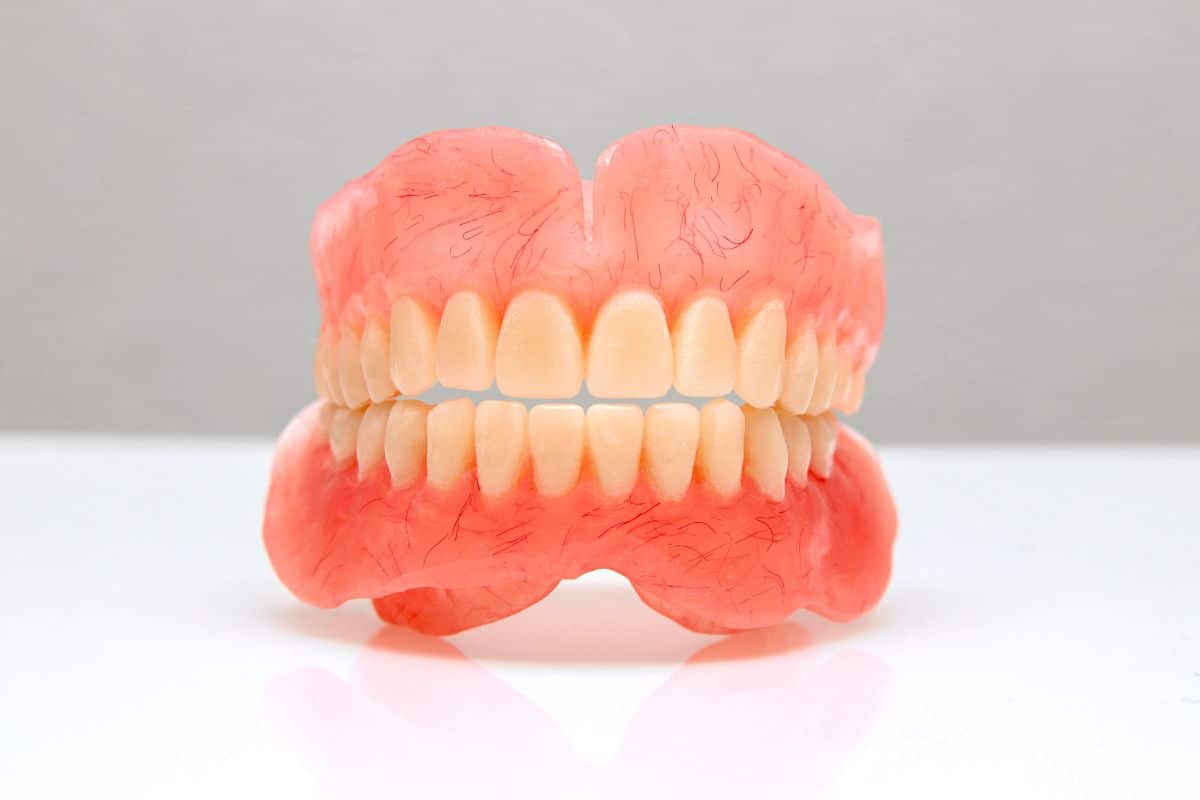
Full dentures are designed for those who have lost all their teeth in one or both jaws. They consist of a complete arch of artificial teeth attached to a gum-colored base. These dentures rest on the gums and are held in place by suction or adhesive. Full dentures allow individuals to eat, speak, and smile with confidence.
Benefits of Full Dentures
- Restoration of Functionality: Full dentures restore the ability to chew food properly, improving digestion and nutrition.
- Enhanced Appearance: They give a more youthful appearance by providing facial support, reducing sagging.
- Improved Speech: Many people notice better clarity in their speech with full dentures compared to missing teeth.
What Are Partial Dentures?
Partial dentures, on the other hand, are suitable for individuals who still have some natural teeth remaining. They fill in the gaps left by missing teeth while anchoring to the existing ones. These dentures can be removable or fixed, depending on your needs and preferences.
Benefits of Partial Dentures
- Preservation of Natural Teeth: Partial dentures can help maintain the position of your remaining teeth, preventing shifting.
- Customization: They can be tailored to match your natural teeth in size, shape, and color.
- Enhanced Comfort: Many patients find partial dentures more comfortable than full dentures, as they do not cover the entire gum line.
Which Option is Right for You?
Choosing between full and partial dentures depends on various factors, including the number of missing teeth, overall oral health, and personal preferences. Here are some questions to consider:
- How Many Teeth Are Missing? If you have lost all your teeth, full dentures are likely your best option. If you still have some healthy teeth, partial dentures may be the way to go.
- What is Your Oral Health Status? Your dentist will assess the condition of your remaining teeth and gums. This evaluation can influence your choice of dentures.
- What is Your Lifestyle Like? Consider how much maintenance you are willing to handle. Full dentures may require a different care routine than partials.
Care and Maintenance
Proper care is essential for both full and partial dentures. Here are some tips to keep them in top shape:
- Daily Cleaning: Clean your dentures daily with a soft brush and denture cleaner. Avoid regular toothpaste, as it can be abrasive.
- Soaking: Soak your dentures in a cleansing solution overnight to keep them moist and prevent warping.
- Regular Check-ups: Schedule regular dental visits to ensure your dentures fit well and are in good condition.
Conclusion
In summary, both full and partial dentures have their unique advantages. Full dentures are best for those missing all their teeth, while partial dentures are suitable for those with remaining natural teeth. Ultimately, the best option for you will depend on your specific needs and lifestyle.
Consulting with a dental professional is crucial in making the right choice. They can provide personalized recommendations based on your oral health and preferences. If you’re considering dentures in Tempe, reach out to a trusted dentist to discuss your options.
With the right dentures, you can regain your confidence and enjoy life to the fullest!