
When it comes to replacing missing teeth, dental implants are a reliable, long-lasting solution. But not all dental implants are the same. Understanding the different types can help you choose the best option. This guide will walk you through the various kinds of dental implants available, making your decision easier and more informed.
What Are Dental Implants?
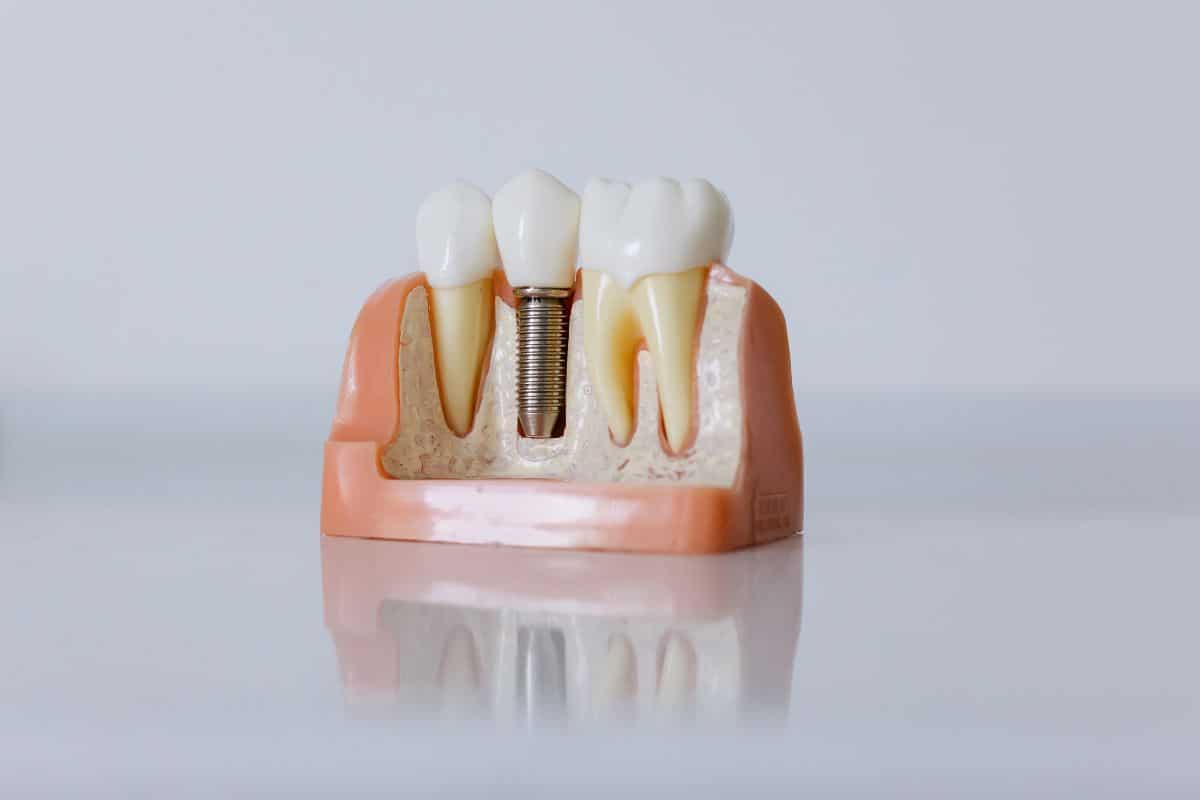
Dental implants are artificial tooth roots made from titanium. They provide a sturdy base for fixed or removable replacement teeth. Unlike dentures or bridges, implants are permanent and fuse with your jawbone over time.
Endosteal Implants: The Most Common Type
Endosteal implants are the most commonly used type. They’re shaped like small screws and are placed directly into the jawbone. Once the surrounding bone heals, an abutment is attached, followed by the placement of a crown. This type is ideal for those with healthy jawbones and is often the preferred choice by many dentists offering Dental Implants in Tempe.
Subperiosteal Implants: A Solution for Shallow Jawbones
If your jawbone is too shallow or soft for endosteal implants, subperiosteal implants may be an option. These implants are placed under the gum but on or above the jawbone. While less common, they’re useful when bone augmentation isn’t possible. The metal framework of the implant supports a prosthetic tooth, providing a solid alternative.
Zygomatic Implants: For Severe Bone Loss
Zygomatic implants are less common and more complex. They are used when there is severe bone loss in the upper jaw. Instead of being placed in the jawbone, they are anchored in the cheekbone (zygoma). This type requires specialized skills and is often considered a last resort.
Mini Dental Implants: Smaller, But Effective
Mini dental implants are smaller and narrower than traditional ones. They are often used to stabilize lower jaw dentures. These implants are less invasive and require a shorter recovery time. While not suitable for all cases, they can be a good option for those with less bone density or for temporary use.
Choosing the Right Type of Implant
The choice between these implants depends on several factors, including bone health, location of the missing tooth, and overall dental health. Your dentist will evaluate your specific needs and recommend the best option. It’s essential to consult a professional offering Dental Implants in Tempe for a thorough assessment.
Benefits of Dental Implants
Dental implants offer numerous advantages. They look and feel like natural teeth, provide a permanent solution, and preserve your jawbone. Additionally, implants don’t rely on neighboring teeth for support, making them a healthier option. With proper care, they can last a lifetime.
What to Expect During the Procedure
The dental implant process involves several steps. First, a thorough evaluation is conducted, including X-rays. The implant is then surgically placed into the jawbone. After a healing period, during which the implant fuses with the bone, the abutment and crown are attached. The entire process can take several months, but the result is worth the wait.
Caring for Your Dental Implants
Proper care is crucial to the longevity of your dental implants. Regular brushing, flossing, and dental check-ups are necessary to maintain oral hygiene. Avoiding hard foods and quitting smoking can also help ensure the success of your implants.
Final Thoughts
Dental implants are a significant investment in your oral health. Understanding the different types can help you make an informed decision. Whether you opt for endosteal, subperiosteal, zygomatic, or mini dental implants, consulting with a professional offering dental implants in Tempe will guide you to the best choice for your needs. With the right care, dental implants can enhance your smile and improve your quality of life.