
When it comes to dental repairs, choosing between dental crowns and fillings can be confusing. Both options help restore damaged teeth, but they serve different purposes and have unique benefits. Here’s a closer look at both to help Tempe residents make an informed decision.
What Are Dental Crowns?
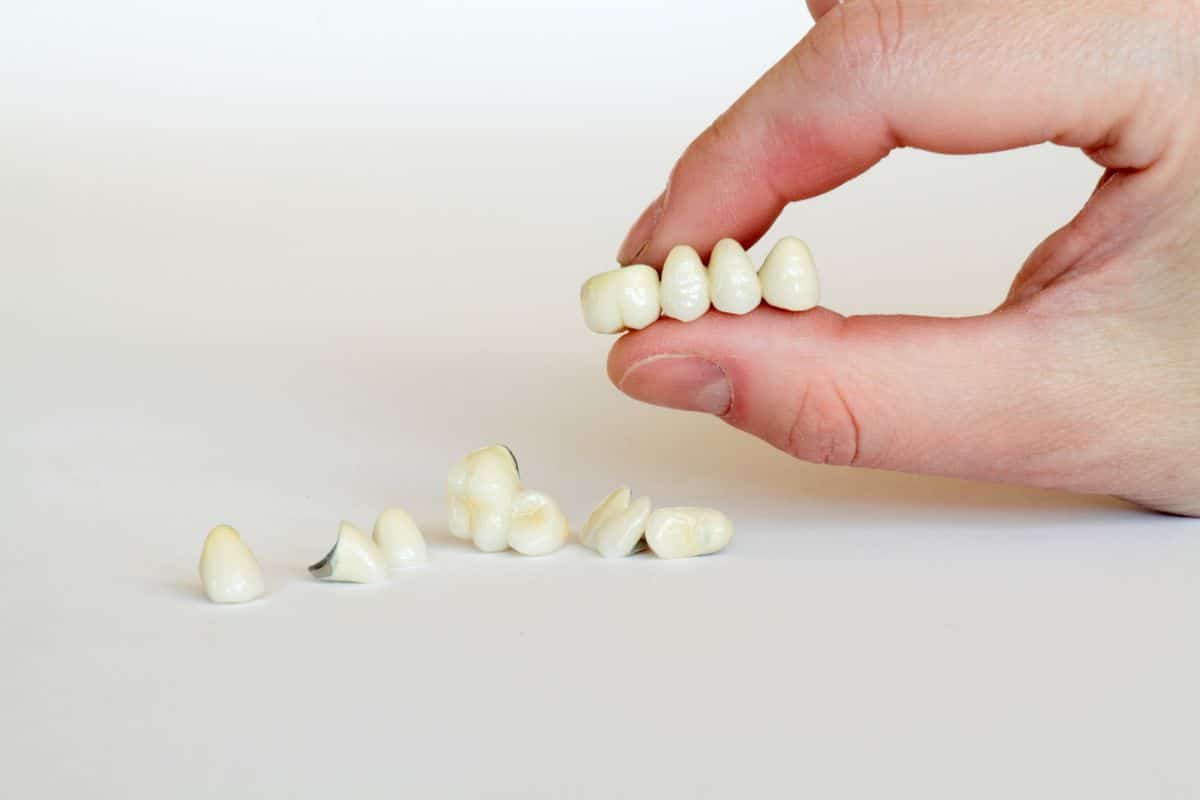
Dental crowns are custom-made caps that cover a damaged tooth. They restore its shape, size, and strength. Crowns are often recommended when a tooth has significant decay or has undergone a root canal. They provide a protective covering and blend seamlessly with your natural teeth.
Benefits of Dental Crowns
- Strength and Durability: Dental crowns offer superior strength, making them ideal for teeth that endure significant pressure, such as molars.
- Longevity: Crowns are designed to last many years, often up to 15 years or more, with proper care.
- Aesthetic Improvement: Crowns can be made from materials that match the color of your natural teeth, enhancing your smile.
- Restoration of Function: They help restore full function to the tooth, allowing you to chew and bite comfortably.
What Are Fillings?
Fillings are used to fill cavities or small areas of decay in a tooth. The dentist removes the decayed part and fills it with a material to restore the tooth’s shape and function. Common filling materials include amalgam, composite resin, and glass ionomer.
Benefits of Fillings
- Quick Procedure Getting a filling is generally a quicker process compared to a crown. It can often be done in a single visit.
- Cost-Effective: Fillings are usually less expensive than crowns, making them a more budget-friendly option for minor damage.
- Preservation of Tooth Structure: Fillings require less removal of healthy tooth structure, preserving more of the natural tooth.
- Aesthetic Options: Composite fillings can match the color of your teeth, making them less noticeable.
Choosing Between Crowns and Fillings
Extent of Damage: If your tooth has extensive decay or has undergone a root canal, a crown might be necessary. Crowns provide more comprehensive coverage and protection.
Function and Location: For teeth that are heavily used for chewing, such as molars, crowns can offer the strength needed. Fillings are often suitable for less damaged teeth and those in less visible areas.
Cost and Time: Fillings are generally more affordable and quicker to apply. Crowns involve a more detailed process, including multiple visits and a higher cost, but offer long-term protection.
How to Care for Your Dental Restoration
Regardless of whether you have a crown or filling, proper oral hygiene is essential. Brush and floss regularly, and visit your dentist in Tempe for routine check-ups. This helps ensure the longevity of your restoration and maintains your overall dental health.
Conclusion
Both dental crowns and fillings play vital roles in dental care. Understanding their benefits can help Tempe residents make the right choice for their dental needs. If you’re dealing with tooth damage, consult with your local dentist to determine which option best suits your situation.