
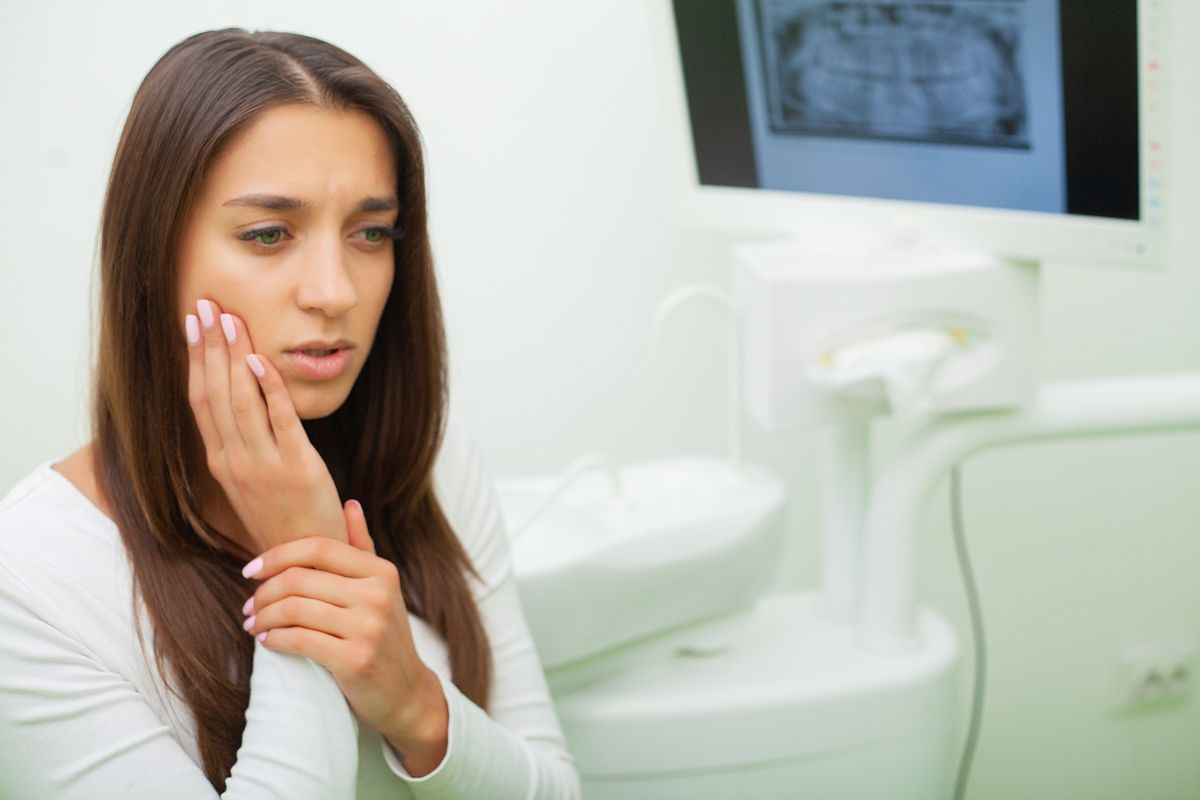
Dental emergencies rarely happen at convenient times. Whether you’re enjoying dinner, traveling, or heading into a big meeting, sudden tooth pain or injury can catch you completely off guard. Knowing what to do in those first crucial moments can make the difference between saving and losing a tooth.
This guide covers the top emergency dentist tips for handling urgent cases, how to stay comfortable until you receive professional care, and ways to prevent future crises.
Stay Calm and Assess the Situation
The first step in any emergency is to keep calm. Take a moment to identify the problem:
-
Pain intensity: Is the pain dull, sharp, or throbbing?
-
Visible damage: Do you see bleeding, swelling, or a broken tooth?
-
Other risks: Is breathing or swallowing affected? That may require immediate medical attention.
Once you’ve quickly assessed, call your emergency dentist right away. Many offices, including those in Tempe and the Phoenix Valley, set aside time for same-day emergency visits. Even if you’re unsure, it’s always better to call and get expert guidance.
Handle Teeth and Tissues with Care
What you do in the minutes after an accident can directly affect treatment success.
-
Knocked-out tooth (avulsed tooth): Pick it up only by the crown (top), never the root. If it’s dirty, gently rinse with clean water, but don’t scrub. Try to reinsert the tooth gently into the socket if possible. If not, store it in a container of cold milk or inside your cheek to keep it moist.
-
Cracked or chipped teeth: Rinse your mouth with warm water. Save any fragments in a clean container and bring them to the dentist.
-
Dislodged teeth: Do not attempt to force them back. Light pressure with a clean gauze pad can help stabilize the tooth until you reach a dentist.
Preserving fragile tooth tissue improves the chances of successful repair or reimplantation.
Manage Pain and Swelling Safely
Relief while waiting for care can make a stressful situation more manageable:
-
Pain control: Over-the-counter pain relievers like ibuprofen or acetaminophen are usually effective. Avoid putting aspirin directly on gums—it can burn tissue.
-
Cold compress: Apply an ice pack or a bag of frozen peas wrapped in cloth to the outside of the cheek for 10–15 minutes at a time.
-
Rinse: A warm saltwater rinse (½ teaspoon salt in a cup of water) helps reduce bacteria and soothe irritated tissues.
These are only temporary measures—professional treatment is always required for dental emergencies.
Act Quickly—Time Is Critical
In emergencies, every minute counts:
-
Knocked-out tooth: Ideally treated within 30 minutes for the best chance of saving it.
-
Severe infection or swelling: Seek urgent care before it spreads or affects breathing.
-
Broken dental restorations: A missing crown or filling leaves nerves exposed—quick replacement prevents further complications.
Delays can turn a treatable problem into a long-term issue, so never wait to “see if it gets better.”
Common Dental Emergencies and What to Do
Severe Toothache
Toothaches may result from cavities, fractures, or infection. Until you see a dentist:
-
Rinse gently with warm water.
-
Avoid chewing on the affected side.
-
Manage pain with safe medication.
Lost Filling or Crown
If a filling or crown falls out:
-
Cover the exposed tooth with sugar-free gum or dental wax for protection.
-
Avoid sticky or hard foods.
-
Bring the restoration with you if possible.
Soft Tissue Injuries
Cuts on the tongue, gums, or lips can bleed heavily but usually heal quickly:
-
Rinse with diluted saltwater.
-
Apply gentle pressure with clean gauze.
-
Use a cold compress to control swelling.
-
See a dentist if bleeding persists beyond 10–15 minutes.
Preventing Future Emergencies
While not all dental emergencies can be avoided, prevention goes a long way:
-
Regular check-ups: Routine visits help identify early problems before they turn urgent.
-
Good oral hygiene: Brushing twice daily with fluoride toothpaste, flossing, and using antibacterial rinses keep teeth and gums strong.
-
Protective gear: Wear a mouthguard during sports or high-impact activities. Custom-fitted guards provide the best defense against trauma.
-
Smart habits: Avoid chewing ice, hard candy, or non-food items that can crack teeth.
Preventive steps not only protect your smile but also save you time, stress, and money in the long run.
When to Seek Emergency Dental Care Immediately
Call an emergency dentist without delay if you experience:
-
Uncontrollable bleeding from the mouth
-
A knocked-out tooth
-
Swelling that affects breathing or swallowing
-
Intense, persistent pain unrelieved by medication
-
Trauma that loosens or dislodges teeth
Prompt action ensures the best possible outcome and preserves your oral health.
Final Thoughts
Dental emergencies can be frightening, but knowing how to respond makes a world of difference. Stay calm, act quickly, and follow these emergency dentist tips until you receive professional treatment. Most importantly, build habits that reduce your risk of emergencies in the first place.
If you ever face an urgent dental issue, remember: fast action and the right care can protect your smile for years to come.