
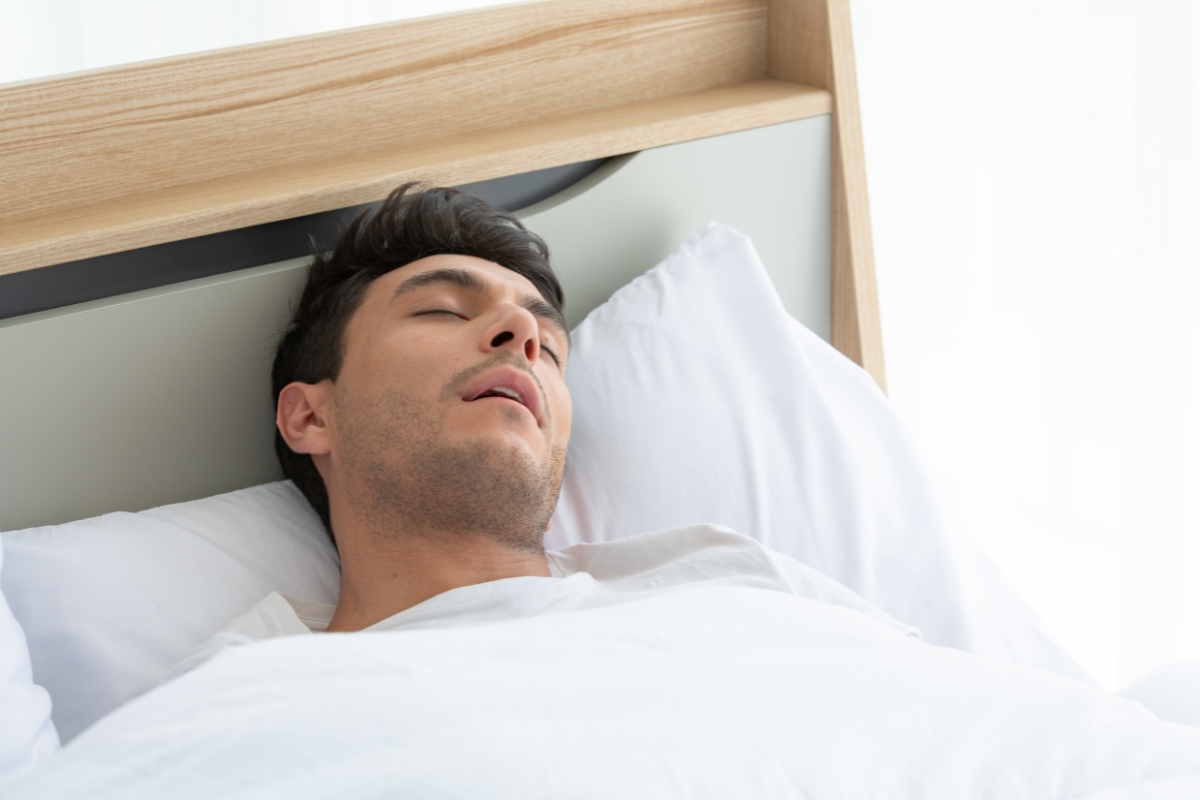
Loud snoring is easy to joke about, but it can quietly wear down your health, your mood, and your relationships. If you have been searching for sleep solutions in Tempe, you may be wondering whether a dentist can really help. In many cases, the answer is yes. Dentists play an important role in treating snoring and obstructive sleep apnea, and sleep apnea in Tempe is more common than most people realize.
This guide explains how snoring differs from sleep apnea, how a dental oral appliance works, what an evaluation looks like, and when a medical opinion comes first. Our goal is to give you clear, honest information so you can choose your next step with confidence.
Snoring or Sleep Apnea: What Is the Difference?
Occasional snoring is common and often harmless. But when snoring is loud, constant, and paired with other symptoms, it can point to something bigger. That is why the best sleep solutions in Tempe start with a careful look at your symptoms, not a quick fix. Many people dealing with sleep apnea in Tempe do not realize their nights are being interrupted. Obstructive sleep apnea, often called OSA, happens when the muscles in the back of your throat relax, and the tissues collapse, partly or fully blocking your airway. Depending on severity, your breathing can stop and restart many times in a single night.
There are three main types of sleep apnea. Obstructive sleep apnea is the most common. Central sleep apnea happens when the brain does not send the right signals to the muscles that control breathing. Complex sleep apnea is a combination of the two. Oral appliances from a dentist are most often used for the obstructive type, which is why a thorough evaluation matters.
Signs You Should Not Ignore
Snoring is only one clue. Other common signs include waking up gasping or choking, daytime fatigue, brain fog, trouble concentrating, morning headaches, a sore throat, irritability, insomnia, and even low mood. If you wake up tired after a full night in bed, or your partner has noticed pauses in your breathing, it is worth getting checked. Untreated sleep apnea has been linked to serious concerns such as high blood pressure and heart problems, so early attention is a smart move.
How Dental Sleep Solutions Work
A dental sleep solution usually means a custom-made oral appliance. It looks similar to a sports mouthguard, but it is designed very differently. The device gently positions your lower jaw slightly forward while you sleep. That small shift helps keep your airway open, which can reduce snoring and the number of breathing pauses during the night.
For many patients with mild to moderate sleep apnea, an oral appliance is a practical and comfortable alternative to CPAP. It is nonsurgical, quiet, and easy to travel with, which is a real plus if you fly often or camp near the Salt River. Most people need a short adjustment period, and then they notice better rest and more energy. Follow-up visits are part of the process so your dentist can check the fit, comfort, and results, and make adjustments when needed.
What to Expect at Your Evaluation
Your first visit is a conversation, not a sales pitch. The dental team reviews your symptoms and medical history, asks about your sleep habits, and examines your mouth and airway. Depending on what they find, you may be referred for a sleep study or a home sleep test, which is how sleep apnea is formally confirmed. Once you have clear answers, the team designs a personalized treatment plan, which may include an oral appliance if it is right for you.
Honesty matters here. If your situation calls for a physician, a sleep specialist, or a different treatment such as CPAP, a trustworthy provider will tell you so. The goal is the right solution for your body, not simply the easiest one to offer.
Ready to find out what is behind your tired mornings? Book online to schedule your evaluation. Our Tempe office is at 1050 E Southern Ave Suite B1, open Monday through Friday, with Saturday hours on the first Saturday of each month. You can also read more about sleep solutions at Okun Dentistry before you visit.
Lifestyle Habits That Support Better Sleep
An oral appliance works best alongside healthy habits. Losing excess weight and quitting smoking can noticeably reduce sleep apnea symptoms. Limiting alcohol close to bedtime, keeping a steady sleep schedule, and sleeping on your side instead of your back can also help. Since the Arizona air is so dry, some people find that staying hydrated and using a bedroom humidifier makes nights more comfortable. These steps will not replace professional care, but they can make your treatment more effective.
Why Local Care Makes a Difference
Life in Tempe moves fast. Between ASU deadlines, long commutes on the Loop 101 and US 60, and busy work schedules, poor sleep catches up quickly. Drowsy driving is a real safety concern, and fatigue can affect everything from grades to job performance. Having a trusted dental team close to home makes it easier to attend follow-up visits and keep your treatment on track. A family-focused practice that has served Tempe and Mesa for years understands the community and its patients.
Start Sleeping Better Today
You do not have to accept loud nights and foggy mornings as normal. If you are ready to explore sleep solutions in Tempe, or you are worried about sleep apnea in Tempe and want real answers, schedule an evaluation today. Book online and take the first step toward quiet nights, steady energy, and the rest you deserve.
Frequently Asked Questions
Can a dentist really treat snoring?
Yes. Dentists can create custom oral appliances that help keep the airway open during sleep, which often reduces snoring and mild to moderate obstructive sleep apnea.
Is an oral appliance a CPAP alternative?
For many patients, yes. It is a comfortable, portable, and nonsurgical option, especially for mild to moderate cases. Your care team will tell you if CPAP is the better choice for you.
Will wearing the appliance be uncomfortable?
Custom devices are made to fit well. There may be a short adjustment period, but most patients adapt quickly and enjoy better sleep without the bulk and noise of a CPAP machine.
Do I need a sleep study first?
You may. Your dental team will review your symptoms and history, and may refer you for a sleep study or home sleep test to confirm what is happening before treatment begins.
Will I need follow-up visits?
Yes. After you receive your appliance, follow-up appointments help check the fit, comfort, and effectiveness, and allow adjustments so the device works its best for you.


